Fast Tree Removal Services Atlanta

Showing posts with label Atlanta Tree Service. Show all posts

Monday, February 17, 2020

Will Cutting Off Dead Branches Help My Tree?

Tree pruning cutting off dead branches

Are you concerned about the meaning and impact of dead branches on your tree? By knowing how and when to cut dead branches off of your tree, you can help it remain healthy and vibrant.

fasttreeremovalatlanta.com gathered the following tips and information about cutting dead branches off of your tree and the impact it can have on your tree’s health.

Does Cutting Off Dead Branches Help a Tree?

Yes, cutting off or pruning dead branches helps a tree in a multitude of ways. The act of pruning dead branches and growth also adds to the safety of the tree and its surroundings.

When Is The Right Time To Prune Branches

The right time to prune branches depends on which ones you are pruning and for what reason. For dead, dying, or broken branches, observe the following:

• There is no wrong time. Dead or dying branches pose a considerable health risk to the tree and should be removed when detected.
• When a branch dies, there is no sap running through it, thus minimizing the risk of oozing sap after its removal.

Tip: When removing an entire branch, alive or dead, it should be pruned all the way back to the branch collar (the bulging bark where the branch meets the trunk). The cut should be made flat and smooth without causing damage to the branch collar, which will eventually move in over the wound and seal it.
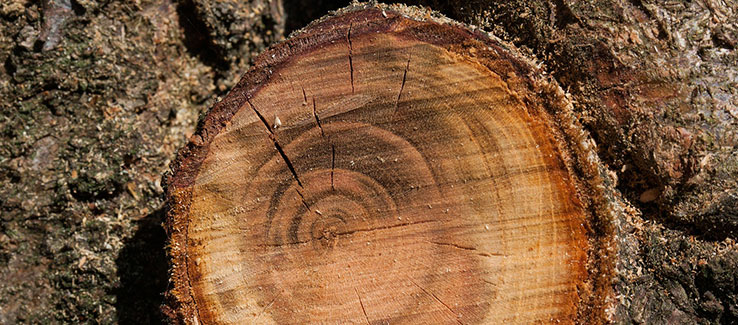
Dead branch removed to help the tree heal properly

For live branches, the rules change:

• To remove or prune live and healthy branches, it is recommended to do so at the end of the growing season, during a tree’s dormancy cycle, or before budding at the beginning of the next growing season.
• This pruning may be done to shape the tree, thin the crown, encourage new spring growth, and many other reasons.
• Pruning these branches during the growing season can invite a host of insects and disease to the tree, potentially leading to compromised health and the eventual death of the tree.

Tip: Uncover further information about the right time(s) to prune your trees by reading fasttreeremovalatlanta.com/when-tree-pruning-cutting-emergency-removal-atlanta-ga

Tree Safety Concerns

As a branch dies, all of the twigs attached to it and the branch itself will become a hazard to whatever is below it. Dead limbs will:

• Rot from the smaller diameter parts first
• As the larger diameter parts rot, they begin to fall
• Injure other limbs as they fall
• Become a substantial threat to whatever is below, as some may weigh several hundred pounds

When these limbs are located over driveways, garages, sheds, and homes, they are capable of causing catastrophic damages and should be removed promptly.

Tip: Once per month, take the time to examine your tree canopy. Be on the lookout for dying, dead, or rotting branches. Once identified, look below it to see what may be in the path of the limb if/when it falls.

Tree Disease and Insect Infestation Concerns

Over several millennia, trees have developed magnificent defensive systems against insect infestations and disease. However, a dead branch is a defenseless open invitation to insects and diseases.

While the healthy parts of the tree can effectively repel these intruders, all it takes is a single successful attack to compromise the health of the rest of the tree.

Tree pruning to reduce the risk of boring insect infestation and disease

Tip: If you detect carpenter ants, beetles, mushrooms, or any strange growth on a dying or dead branch, contact a professional tree service. They can evaluate the situation and recommend a course of action to remedy the situation.

Why Does My Tree Have Dead Branches?

As a tree grows, there are many reasons that a particular branch may die while the rest of the tree flourishes. The following are some of the reasons a tree may have dead branches:

1. The branch may not get enough sunlight. This may trigger the tree to compartmentalize and eventually shed the branch.
2. There may be an insect infestation in that branch which has compromised the flow of water and nutrients (hydraulic failure).
3. Bark damage on the trunk may also cause hydraulic failure and the death of the branch.
4. Rope and wire used to hang swings, bird feeders, clotheslines, etc. may damage the branch bark enough to girdle the branch, causing hydraulic failure.
5. Severe weather events may cause a branch to crack. This damage may not be apparent until the branch begins to die.
6. Many diseases may cause individual branches, entire sections, or the whole tree to die. Many of these diseases enter the tree through the root system, while others can infect damaged bark or poorly pruned branches.

Tip: When a branch, two inches in diameter or greater, dies on an otherwise healthy tree, call a professional tree service. They can fully evaluate the tree and recommend a course of action (if required).

Help Your Tree By Removing Dead Branches

In this article, you discovered why dead branches should be removed from your tree, tips to help you do it right, and the impact pruning or cutting branches can have on your tree’s health.

By taking action when dead branches are identified, you minimize the many risks they pose to the tree and its surroundings.

When you allow dying or dead branches to remain in a tree, you subsequently expose the tree to infestation and disease while creating a hazard for people, objects, and structures below.

Sources:
extension2.missouri.edu/g6866
extension.unl.edu/statewide/platte/Tree Pruning FAQs.pdf
extension.purdue.edu/extmedia/FNR/FNR-506-W.pdf
static.colostate.edu/client-files/csfs/pdfs/616.pdf

Fast Tree Removal Services Atlanta
3379 Peachtree Road #555a, Atlanta, GA 30326
(404) 220-9965

Fast Tree Removal Services Dunwoody
2111 Peachford Cir, Dunwoody, GA 30338
(404) 220-9963

To view the orignal version of this post, visit: http://www.fasttreeremovalatlanta.com/will-cutting-off-dead-branches-help-my-tree

Tuesday, November 19, 2019

Why Are My Tree’s Leaves Turning Black?

Leaves turning black from tree disease attack

Don’t let your tree die when its leaves start turning black. Knowing what causes leaves to turn black and drop can help you spring into action, saving your tree and protecting your landscape.

fasttreeremovalatlanta.com gathered the information why, and steps to take when your tree’s leaves start turning black and falling off your tree.

Why Do Tree Leaves Turn Black?

There are many reasons your tree’s leaves can turn black and fall off the tree. The following are some of the more probable causes:

Hot Weather and Drought – During times of drought, trees are more susceptible to being damaged by radical changes in temperature.

Sudden rises in temperature can leach the moisture out of your trees and cause its leaves to wither, brown, and blacken.

Tree leaves wilting and browning from drought conditions

While it isn’t feasible to control the weather, you can help your trees survive radical temperature fluctuations by doing the following:

• Increase the frequency of deep watering
• Decrease the amount of fertilizer applied
• Mulch your trees

During times of drought coupled with high temperatures, your tree’s internal processes speed up. Over-fertilizing may cause your trees to consume more nutrients than they can process, causing fertilizer burn and hastening their death.

Learn more about how to fertilize trees by reading fasttreeremovalatlanta.com/fertilization-basics-healthier-trees

Boring Insect Infestations – When trees are stressed by hot weather, disease, or poor care practices, they become highly susceptible to successful insect attacks. Namely, beetle attacks.

Beetle infestations often result in leaf wilt, severe defoliation, and the blackening of the leaves. When a tree or stand of trees falls victim to a beetle infestation, treatment must begin immediately to slow or halt an infestation of epidemic proportions.

Some of the signs of a successful beetle infestation include:

• Unseasonal leaf color change
• Premature leaf drop
• Crown wilting
• Blackening of the foliage
• Entry holes
• Sawdust found on limbs and trunk

Tree leaves turning black from boring insect infestations

Infested trees are challenging to treat without killing the tree itself, and should be left to a tree professional. However, unaffected trees in the vicinity should be treated with insecticides to deter beetle attacks.

Ash trees are highly vulnerable to the deadly emerald ash borer. However, when their foliage blackens, it is more likely from an anthracnose infection than the borer.

NOTE: It is common practice to remove and destroy heavily beetle-infested trees to protect a wooded area or stand of healthy trees. In some instances, uninfected diseased trees that have become susceptible to beetle infestations may also be removed to prevent the spread of the beetle.

The ambrosia beetle is another boring insect that affects many tree species throughout North America. Learn more about the damage it causes and how to treat an infestation by reading fasttreeremovalatlanta.com/ambrosia-beetle-damage-treatment

Anthracnose Tree Disease – This disease is often referred to as leaf spot or leaf blight. It may be caused by several different fungi. The following are some of the common symptoms indicating that your tree is infected:

• Irregular dead spots on leaves
• Formation of cankers on twigs, branches, and the trunk
• Wilting and blackening of affected foliage
• Premature leaf drop
• Bud death (resembling frost damage)

Tree leaves turning black from disease

Treatment for anthracnose includes the systematic application of fungicides in late winter and early spring, and the extensive pruning of affected areas of the tree.

Diseases like anthracnose are easily transmitted from one tree to another, usually by splashing water, overhead watering, and rainwater. Another common form of transmission is through the gardening and pruning tools used for your landscaping. Read about disease prevention tips at fasttreeremovalatlanta.com/5-tree-shrub-disease-prevention-tips

NOTE: Any time more than 25% of a tree’s crown must be pruned, call in a professional tree service to evaluate the health of the tree and potential alternatives to pruning.

Anthracnose is rarely lethal to mature trees. Still, repeated annual infections can cause the decline of the tree’s health, leading to infestations, disease, and the eventual death of the tree.

For more information on identifying and managing anthracnose, visit ipm.ucanr.edu/PMG/PESTNOTES/pn7420.html

Tree Health and Disease Prevention

There are insecticides, fertilizers, and fungicides that can be applied throughout the year to protect your trees. However, the most effective measure to take in preventing your trees from withering in the heat, succumbing to boring insects, or contracting lethal diseases is to promote their health relentlessly.

The following are measures you can take to promote the healthy growth of your trees:

• Conduct annual soil tests to determine nutrient deficiencies and pH adjustments
• Adjust your watering schedule to keep the soil moist but well-drained
• Maintain organic mulch over the root plate throughout the year
• Correctly prune your trees to encourage spring growth
• Have your trees and landscape inspected annually by a professional tree service to detect any potential issues.

Your vigilance in keeping your trees healthy is perhaps their greatest ally in reaching maturity and living their lives pest and disease-free.

When Tree Leaves Turn Black

In this article, you discovered why tree leaves can turn black, and the steps you can take to help your tree recover and prevent future occurrences.

When problems arise, and they will, your immediate response is fundamental to the preservation of a robust landscape filled with healthy trees.

Your inaction or indifference will result in the decline of your tree’s health, its eventual death, and the potential to fall on your property or cause severe injuries.

Sources:
extension.psu.edu/anthracnose-on-shade-trees
entomology.ca.uky.edu/ent43
ipm.ucanr.edu/QT/treeborerscard.html

Fast Tree Removal Services Atlanta
3379 Peachtree Road #555a, Atlanta, GA 30326
(404) 220-9965

Fast Tree Removal Services Dunwoody
2111 Peachford Cir, Dunwoody, GA 30338
(404) 220-9963

To view the orignal version of this post, visit: http://www.fasttreeremovalatlanta.com/why-leaves-turning-black

Tuesday, October 15, 2019

Why Is My Tree Leaking Water

Wounded tree infected with bacterial wetwood leaking sap

Avoid cutting down a healthy tree because of a misguided diagnosis. Wetwood is a common condition that could lead to grave tree health problems but is more beneficial than you might think.

fasttreeremovalatlanta.com gathered information on wetwood and slime flux, how to identify them, and how these conditions affect trees.

What Is Wetwood?

Wetwood is a bacterial condition occurring commonly within the heartwood and/or sapwood of certain tree species, primarily in:

• Birches (Betula)
• Poplars (Populus)
• Sycamores (Platanus Occidentalis)
• Maples (Acer)
• Boxelders (Acer Negundo)
• Ash (Fraxinus)
• Aspens (Populus Tremuloides)
• Elms (Ulmus)
• Cottonwoods (Populus)
• Oaks (Quercus)
• Firs (Abies)
• Hemlocks (Tsuga)
• Willows (Salix)

Traditionally viewed as a nuisance or a disease, wetwood is more of a symbiosis in which the tree creates favorable conditions for any one or combination of numerous bacteria to flourish.

Tree infected with bacterial wetwood leaking slime flux

Many of the tree species in which wetwood occurs do not have decay fighting extractives and would be highly vulnerable to fungal infections without the occurrence of the bacteria.

This bacterial growth creates unfavorable conditions for harmful pulp-consuming fungi by lowering the oxygen content of the wood while producing inhibitory organic acids.

The organic acids produced by the bacteria are responsible for the odor associated with wetwood, and slime flux (the liquid that leaks or oozes from the tree).

Bacterial Wetwood and Slime Flux

When a tree with wetwood is wounded, the fluids produced by the bacteria and the tree’s sap will ooze from the wound. Thus, the appearance that the tree is leaking water. The following are essential to know before breaking out the pruning gear:

Tree infected with bacterial wetwood leaking sap

Bacteria By-Product – Within the tree, the fluids produced by the tree’s heartwood and by the bacteria are clear or opaque. Once exposed to the air, they take on a darker appearance, leaving blackened streaks running down the bark.

During the lifecycle of the bacteria, gases are produced, which cause pressure to build up within the tree. Over time, the pressure-driven fluids find an exit path through wounds, cracked bark, storm damage, or boring insect attacks. It is common to see several streaks.

This fluid is acidic, smells sour, attracts a variety of insects, and can quickly damage the tree’s bark. If not neutralized, it can eventually eat through the bark and away at the tree’s trunk leaving a gaping hole in the tree (see treatment measures below).

Trees with wetwood are notorious for spraying or squirting this putrid-smelling fluid when pruning cuts are made.

A crucial aspect of tree health is knowing when to prune, cut, or even remove your trees. Learn more about the process and timing at fasttreeremovalatlanta.com/when-tree-pruning-cutting-emergency-removal-atlanta-ga

Slime Flux without Wetwood – A tree without wetwood may still produce black ooze, white foam, or slime flux when it is wounded or poorly pruned and the exiting sap is contaminated by any of the wetwood causing bacteria.

The potential for this scenario underscores the need to work with sanitized equipment whenever working from tree to tree.

Tree infected with bacterial wetwood treated

Equipment Treatment – All equipment used to prune or handle a tree with wetwood or slime flux should be sanitized using a 5 part water to 1 part bleach solution.

When Should I Call a Tree Service – As soon as you detect the symptoms of slime flux, call in a professional to evaluate the tree and what – if any – actions should be taken.

Slime Flux Treatment

There is no cure for bacterial wetwood. However, slime flux can and should be treated to prevent severe bark damage to your tree. To neutralize the bacteria and acidic properties of the fluids oozing from your tree, follow these steps:

1 – Mix 1 part bleach to 10 parts water and spray the affected areas of the tree. This solution is a more diluted version of the one used to sanitize your equipment.
2 – Apply the bleach solution once per week for four or more weeks.
3 – Discontinue using the bleach solution when you detect that the tree is healing and stops ejecting fluids.

While you have a tree leaking or oozing these fluids, keep the other trees and shrubs in your yard healthy and disease-free. Read more about tree and shrub disease prevention at fasttreeremovalatlanta.com/5-tree-shrub-disease-prevention-tips

Tree infected with bacterial wetwood stained bark

My Tree Is Oozing Sap

In this article, you discovered how wetwood and slime flux can make your tree appear to be leaking water, how to identify them correctly, and when to call a tree service for assistance.

By taking preventative and control measures, you can stop your tree from oozing the putrid-smelling fluid produced from bacterial wetwood.

Without taking action to control slime flux, you are creating the potential for insect infestations, fungal infections, declining health, and the eventual death of your tree.

Sources:
https://forestpathology.org/bacterial-viral-diseases/wetwood/
https://www.mortonarb.org/trees-plants/tree-and-plant-advice/help-diseases/wetwood
ag.umass.edu/landscape/fact-sheets/wetwood-slime-flux/
gatrees.org/community-forests/ask-the-arborist/SlimeFlux.pdf
ask.extension.org/questions/568886

Fast Tree Removal Services Atlanta
3379 Peachtree Road #555a, Atlanta, GA 30326
(404) 220-9965

Fast Tree Removal Services Dunwoody
2111 Peachford Cir, Dunwoody, GA 30338
(404) 220-9963

To view the orignal version of this post, visit: http://www.fasttreeremovalatlanta.com/why-is-my-tree-leaking-water

Monday, August 19, 2019

How do I Know If My Tree Is Dying

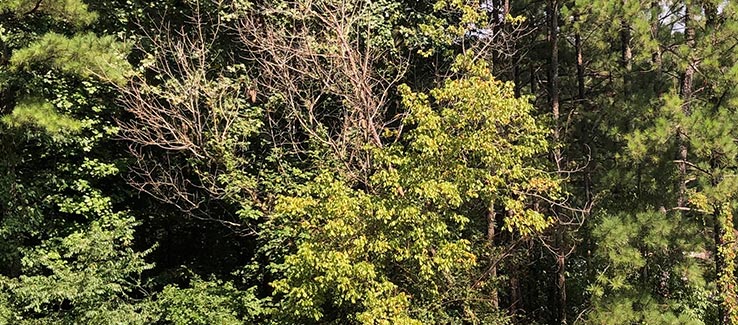
Dead tree with bark damage and complete loss of foliage

A dying tree is not always obvious, but not knowing the signs is dangerous and may pose a grave risk to people and structures around it. If you can distinguish a troubled or dying tree, you may potentially save yourself from significant loss and costly repairs down the road.

fasttreeremovalatlanta.com gathered the following information to help you discern between a tree that is troubled, dying, or dead and what to do about it.

Is My Tree Dead or Dormant

In late fall and through the winter months, trees may appear to be dead. Deciduous trees, unlike evergreen trees, will lose their leaves and stop growing through the colder months of the year. Here’s how to tell the difference:

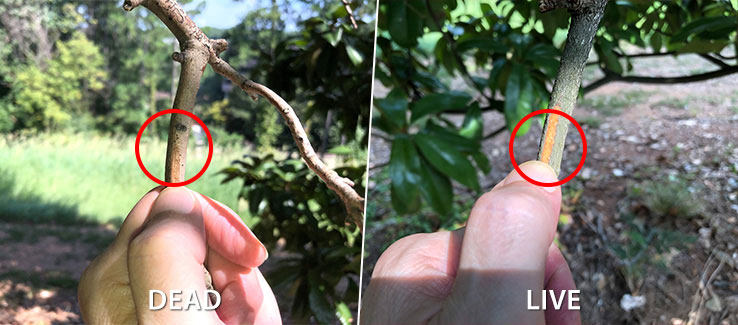
1 – Locate a branch or stem to perform a scratch test.
2 – Using a sharp knife, pruning tool, or your fingernail, scratch a very small portion of the bark away.
3 – Examine the tissue just beneath the bark (this is called the cambium tissue).

Tree bark scratch test to determine if it is alive or dead

Green hues and dampness indicate that your tree is alive. Your tree is dying or dead if you encounter dry, brittle, and brown conditions. Repeat the test on another area of the tree to confirm the result.

If your tree is dying or dead, call an arborist to evaluate the tree and recommend a course of action. A dead tree near structures and people poses a series of risks to its surroundings and should be removed immediately.

Leaves Are Changing Colors

In the fall, deciduous trees undergo a phase in which leaves change from green to red, orange, yellow, or brown before falling to the ground (this is normal).
Deciduous trees with fall foliage However, when leaf color changes happen in spring or summer, on any tree (deciduous or evergreen), you have a significant problem on your hands.

The following are problems that cause off-season leaf color change, wilt, or premature leaf-drop.

Severe Drought – Drought throughout the winter season and into spring can cause severe stress to trees. This stress shows up as:

• Wilting
• Severe dieback
• Leaf color change
• Premature leaf drop
• Successful insect infestation
• Tree death

Diseased and dying tree infested by carpenter ants

During drought conditions, increase your watering cycles to maintain the soil around your trees moist. Make sure that trees are mulched. Mulching will help retain soil moisture and prevent roots from drying out.

Boring Insect Infestation – Trees are pretty good at defending themselves from boring insects. However, when a tree is stressed, boring insects are more likely to attack a tree successfully.

Insect infestations cause tree foliage to wilt, change color, grow smaller or deformed, or drop prematurely. Changes can occur in a portion of the crown, or throughout the entire crown depending where the insects have attacked the tree.

The signs of boring insects include:

• Boring dust or sawdust
• Feeding trails or galleries beneath the bark
• Entry or exit holes in the bark
• Actual insects
• Dieback

Diseased and dying tree with dieback

Treatment for wood boring insects with insecticides is more effective as a preventative measure. Once a successful infestation has occurred, the tree will potentially need extensive pruning. Your best course of action during an infestation is to call an arborist to the location to evaluate the tree, suggest a course of action, and make a threat assessment to surrounding trees and vegetation.

Disease – A diseased tree can appear healthy on one side and dying on the other. There are some disease threats like anthracnose, heart rot, and root rot that can kill a mature tree in a matter of weeks. Below are symptoms to look for:

• Wilting
• Slow leaf growth
• Changing leaf color
• Premature leaf drop

Foliage of a diseased tree changing color

If you suspect that your tree is diseased, have it inspected immediately by a professional tree service. In many cases, a tree can be treated and pruned, allowing it to compartmentalize the disease and continue living.

Girdling – Girdling happens when either compression or bark damage occurs around the circumference of the tree trunk, causing hydraulic failure within the tree. Climbing vines, ropes tied around the tree, vehicle and machinery impacts, or any activity which strips the bark from a tree can cause girdling.

Climbing vines kill trees by girdling them

When a tree is girdled, the signs are obvious:

• Leaves will turn yellow or brown and fall from the tree
• Twigs and branches will become brittle
• Signs of disease or insect infestation will likely accompany the death of the tree.

Avoid girdling by:

• Cutting vines off from their roots near the ground (don’t try to remove them from the tree, you may further damage the bark)
• Never tie a rope around a tree trunk
• Avoid vehicle or equipment impacts to the trunk of a tree

If your tree’s bark has been severely damaged, have it inspected by an arborist who can then recommend a course of action.

Root Rot – Root rot can occur from poorly drained soil or disease. The symptoms are very similar to those of girdling:

• Leaves will turn yellow or brown and fall from the tree
• Twigs and branches will become brittle
• Trees with root rot may begin to lean or fall

Dying tree leaning on a healthy tree

If you suspect that your tree is dying from root rot, have it inspected immediately. In most cases, the tree will need to be removed.

Do Trees Die of Old Age

Yes. Trees are long-lived but will eventually die from natural causes or human actions. When trees get sick, they can be diagnosed, and with early treatment, pruning, or felling, can be saved or prevented from harming surrounding trees, structures, and people.

How to Avoid Tree Health Problems

One of the best ways to keep your tree healthy throughout its lifetime is to care for it from the time it is planted properly. You can avoid the majority of tree health problems by:

• Knowing the species and its requirements
• Planting it in an optimally lit and protected location
• Giving it proper watering intervals and fertilization
• Making sure the soil meets the needs of the species
• Seasonally pruning unwanted or infected growth
• Protecting its bark from impacts and damaging vines
• Having the tree inspected annually by an arborist

Preventative measures will help you avoid significant tree health issues, along with promoting a healthy ecosystem in your yard or landscape.

Is My Tree Dying

A dead or dying tree is capable of spreading disease and insect infestation to entire communities of trees. When these trees fall, they can cause catastrophic damages to structures, wildlife, and people.

In this article, you discovered how to tell if a tree is troubled, dying, or dead and what you can do to either save it or eliminate a potential threat.

When a tree problem is detected, immediate action can save you from significant damages, costly repairs, and even loss of life.

Sources:
https://forestpests.community.uaf.edu/lessons/module-2-wood-boring-insects/
http://www.fao.org/3/y5041e/y5041e09.htm
http://ucce.ucdavis.edu/universal/printedprogpageshow.cfm?pagenum=6467&progkey=2080&county=5576

Fast Tree Removal Services Atlanta
3379 Peachtree Road #555a, Atlanta, GA 30326
(404) 220-9965

Fast Tree Removal Services Dunwoody
2111 Peachford Cir, Dunwoody, GA 30338
(404) 220-9963

To view the orignal version of this post, visit: http://www.fasttreeremovalatlanta.com/how-do-i-know-if-my-tree-dying

Thursday, April 18, 2019

Warning Signs, Problems and Solutions for Atlanta Trees

Tree problems and solutions in the City of Atlanta Ga

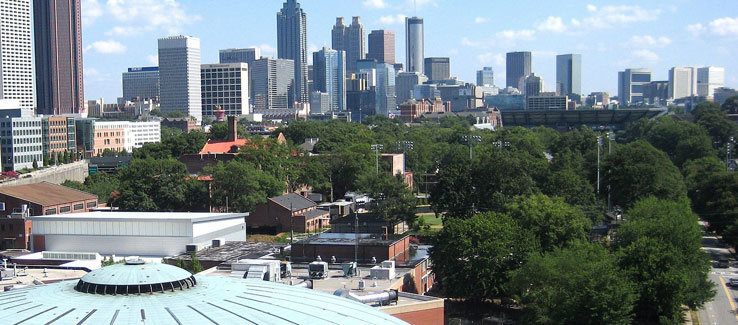
There are several dangers facing trees in your Atlanta landscape. The dense foliage within Atlanta, “the city in a forest,” is prone to facing health problems and can need your help.

Infestation, disease, and construction mishaps are causes that weaken and kill trees when they are not properly looked after. Your immediate action when a tree is in decline can be the difference in it thriving or dying.

This fasttreeremovalatlanta.com article identifies tree health symptoms and causes like construction damage, insect infestations, powdery mildew, and then offers easy to perform solutions for each of them.

Declining Tree Health Symptoms

When trees are in trouble, they typically exhibit obvious symptoms telling you that there is a much more significant problem at hand. Some of the more common symptoms requiring immediate attention are:

Dieback – This is a symptom of, soil compaction, infestation, disease, or girdling and occurs when the foliage, branches, and twigs begin to die from the outside in towards the trunk.

Tree dieback problems and solutions in Atlanta Ga

If not quickly addressed, large branches and entire portions of the tree will die and become brittle, potentially falling without forewarning.

To identify an insect infestation, look for entry and exit points appearing as rounded holes with either sawdust (pitch) or sap blow the hole.

Stunted Growth – When a tree is under stress from an insect infestation or disease, smaller foliage and reduced growth may occur. Often, the crown will be disproportionate with smaller and fewer leaves on one side.

If left untreated, the tree’s health will continue to decline, leaving it susceptible to multiple infestations, and eventually lead to its death.

Premature Leaf Drop or Late bloom – A deciduous tree stressed by compacted soil, severe infestation, disease, or partial girdling may drop its foliage in late summer before other trees, or may not bloom until late in the spring.

Stressed evergreen trees may lose more foliage than usual in late summer and fall, along with signs of chlorosis (yellowing of foliage).

This is an alarming sign which underscores the severity of what is happening within the tree and must be quickly addressed to save it.

Drooping Crown – A common symptom of soil compaction is when your tree’s crown appears to droop, or the foliage appears to be wilted.

This soil condition may cause irreparable damage to the tree’s root system resulting in hydraulic failure (when the tree can no longer transport water and nutrients to and from the roots) and eventual death.

Tree Problem – Construction Damage

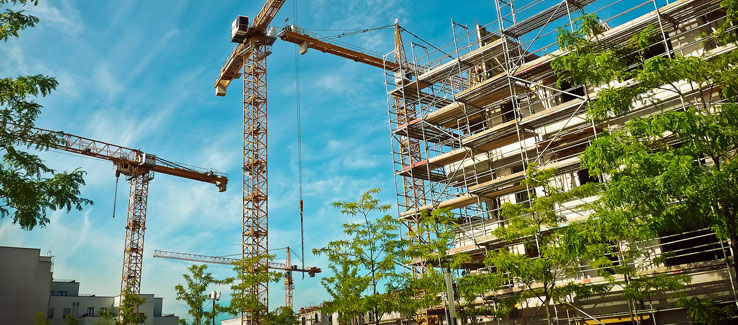
Construction damage can be soil compaction from transiting or parked vehicles and heavy storage or waste containers left under a tree. Bark damage leading to partial or complete girdling may result from leaning equipment or being struck by vehicles.

These issues are not limited to construction sites, the integrity of the soil and trunk of your tree are vital to its survival and should always be protected.

Construction Damage Solution – The City of Atlanta has specific guidelines on tree protection for construction sites which must be implemented. The failure of a company or person to adequately protect trees on a commercial or private construction site may be met with steep fines, and in the case of a lost tree, a tree recompense and fine may be assessed.

Tree problems from construction damage in Atlanta Ga

In the case of soil compaction, it can be challenging to save a tree’s roots. Depending on the size of the tree, 15 inches to 3 feet of new topsoil may be required to counteract the effects of it.

Read more about reversing soil compaction here ecolandscaping.org/01/soil/dealing-with-soil-compaction/

In the case of bark damage and girdling, if the damage is severe enough that it cuts through the xylem and phloem around the majority or entire circumference of the trunk, the tree may already be dead.

In situations with lesser damage, bark patches have a better chance of restoring the flow of water and nutrients from the crown and roots. Uncover further information on bark damage here fasttreeremovalatlanta.com/handling-tree-bark-damage

Tree Problem – Insect Infestation

The healthier a tree is, the easier it can repel attacks from boring insects. Likewise, these pests will typically target trees in a weakened state of health. However, when the insect population grows and trees become limited, they will target and successfully invade healthy trees too.

Some beetle species will burrow into the heartwood and nest deep within the tree. Beetles carry fungal spores with them which germinate within the tree providing nutrients for their offspring and ultimately causing a fungal infection which further weakens the tree.

As their numbers grow, infestations can easily devastate entire urban landscapes, inflicting irreparable damage to multiple trees of all sizes and ages.

Tree insect infestations in Atlanta Ga

Insect Infestation Solution – When caught in its early stages, an insect infestation is easily managed through the use of insecticides, traps, and the removal of infected limbs or the source tree in its entirety.

In any case of an insect infestation, call a tree professional for expert advice on types of treatment and how to protect surrounding trees. The web, in addition to the insect can lead to tree disease or death. To learn more, read fasttreeremovalatlanta.com/insect-webs-tree-decay-disease-death

Tree Problem – Powdery Mildew

Powdery mildew is a fast-spreading fungal disease affecting a wide range of trees and plants. It commonly has the appearance of white powder stuck to leaves riddled with black spores.

This disease is difficult to control, as it is spread by wind, splashing water, insect, wildlife, or human activity.

Powdery mildew problems on trees in Atlanta Ga

In severe cases when enough foliage is covered by the disease, the host tree’s capacity to photosynthesize can be significantly reduced causing deficiencies and weakening the tree’s health, leaving it vulnerable to infestations and other infections.

Powdery Mildew Solution – Halting and preventing powdery mildew can be as easy as watering your trees. The following tips will help you quickly gain control over this disease.

• Neem Oil – Spray affected and surrounding foliage with a neem oil solution (2.5Tbsp per gallon of water) weekly.
• Home Remedy – Spray affected and surrounding foliage with a solution of 1Tbsp of baking soda and 1tsp of liquid dish soap per gallon of water.
• Garden and Pruning Equipment – All equipment used on infected plants and trees should be thoroughly washed then rinsed in a bleach solution (1/8 cup bleach per gallon of water). Alcohol may also be used in place of bleach (1 cup alcohol per gallon of water).

In cases where 25% percent or more of the foliage is infected, call a tree professional to offer suggestions for a more aggressive approach to controlling this disease.

For more on tree disease control and prevention, read fasttreeremovalatlanta.com/5-tree-shrub-disease-prevention-tips

Protecting Atlanta’s Tree Canopy

Don’t let your trees die needlessly. With so many trees in an urban setting, accidents, infections, and infestations are bound to happen, are you ready for them?

In this article, you discovered how to identify the problems and symptoms of a troubled tree, like construction damage, girdling, insect infestations, powdery mildew, and how to effectively treat each of them.

Your failure to act when your trees are injured or ill can result in their death and toppling. Avoid catastrophic damages and potential fines or recompense from the City of Atlanta by taking action while you still can.

Sources:
http://extension.uga.edu/publications/detail.html?number=B1238&title=Common%20Landscape%20Diseases%20in%20Georgia
http://newswire.caes.uga.edu/story.html?storyid=5161&story=Fig%20Pest
https://www.atlantaga.gov/Home/ShowDocument?id=1538

Fast Tree Removal Services Atlanta
3379 Peachtree Road #555a, Atlanta, GA 30326
(404) 220-9965

Fast Tree Removal Services Dunwoody
2111 Peachford Cir, Dunwoody, GA 30338
(404) 220-9963

To view the orignal version of this post, visit: http://www.fasttreeremovalatlanta.com/warning-signs-problems-solutions-atlanta-trees

Monday, November 19, 2018

Neem Tree Information and Uses

Neem flowers and fruit Atlanta Georgia

The neem tree may be the answer to your health and wellness needs. For centuries, the neem tree has been an essential part of life, health, and culture in both India and Asia.

The neem tree (Azadirachta Indica) is one of nature’s most versatile plants, and is best known for its highly effective insecticidal oil. However, as every part of the tree is used in different ways, there’s a lot to discover about this fascinating species.

In this article, fasttreeremovalatlanta.com looks at the neem tree’s species information, and gives you valuable insight into how the tree and its oil is used in agricultural, pharmaceutical, and cosmetic industries.

Neem Tree Leaves, Flowers, and Fruit Information

Neem trees are a part of the mahogany family, and relative to the chinaberry, of which it is very similar in appearance.

Neem tree information Atlanta Ga

This fast-growing evergreen has wide branches which fan out to form a fairly dense and rounded crown which can span to over 80 feet in diameter. The average height of a neem tree at maturity is 50 – 65 feet with a maximum height of up to 130 feet.

Neem is native to the Indian subcontinent and thrives in areas with sub-arid to sub-humid conditions. While the tree is evergreen, during periods of severe drought, neems are known to drop most or nearly all of their foliage.

The tree bears fruit after 3 to 5 years of growth and reaches full productivity after 10 years, producing an annual harvest of up to 220 pounds of fruit per tree. A neem tree in its optimal growing environment can live for more than 200 years.

Neem leaves are from 8 to 15 inches long with pinnate green leaflets from 1 to 3 inches long and with short petioles. Due to its bitterness, neem foliage is rarely grazed by animals, they will only resort to it when no other vegetation is available.

Neem tree leaves Atlanta Georgia

The tree’s white fragrant flowers give way to an olive-like green fruit with a yellowish bittersweet pulp surrounding an inner shell with one (rarely two or three) seeds enclosed.

Neem tree flowers Atlanta Ga

What Is Neem Good for?

Every part of the neem tree – from the bark and leaves to the roots, fruit and seed – serves a purpose.

The Whole Tree:

Being in the mahogany family, neem is prized timber for furniture and cabinet making.

From the Bark:

Neem bark has been utilized by Asian and Indian cultures for centuries as an insecticide, an antibacterial, and even as a spermicide. For its antibacterial properties, it has been used to treat:

• Acne
• Infected wounds
• Ringworm
• Eczema
• Psoriasis
• Warts

From the Leaves:

• Powdered leaves are a component of some facial creams.
• Decomposing leaves and twigs are commonly mixed with soil and used as fertilizers.
• Neem leaves are also used as a very effective mulch.
• Some of the medical applications of neem leaves that are used in Eastern culture include treating: leprosy, fever, intestinal worms, upset stomach, skin ulcers, diabetes, gum disease, liver problems, eye disorders, and much more.

From the Roots:

With its significant antioxidant properties, neem root bark has shown promising laboratory results in the fight against diabetes and is commonly used together with the leaves to treat the above mentioned. Read more at https://www.ncbi.nlm.nih.gov/pmc/articles/PMC4791507/

From the Fruit and Seed:

While neem oil can be extracted from other parts of the tree, it is the fruit and seed that are dried, crushed, and used in mass production. Some applications of neem oil are:

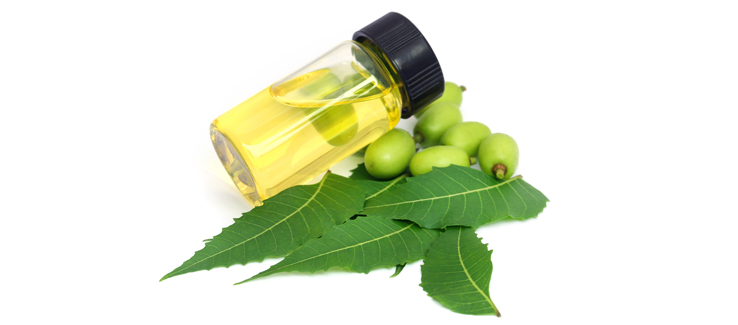
Neem tree fruit leaves oil Atlanta Ga

• Mosquito repellant
• Lotions
• Anti-fungal foot creams
• Antioxidant replenishing tea
• Machinery lubricant

Neem Oil Insecticide Benefits

Azadirachtin is the prevalent active ingredient in neem oil, and for centuries, this oil has been used in India as a natural insecticide.

Neem oil insecticidal spray Atlanta

Neem oil works as both a growth regulator and a feeding deterrent.

As a growth regulator, immature insects, after contact or ingestion of the oil, have their molting process disrupted.

As a feeding deterrent, damage to the treated tree or plant is significantly reduced due to its repelling adult insects.

Insects that can be controlled with the use of neem oil include:

• Leaf Miners
• Weevils
• Aphids
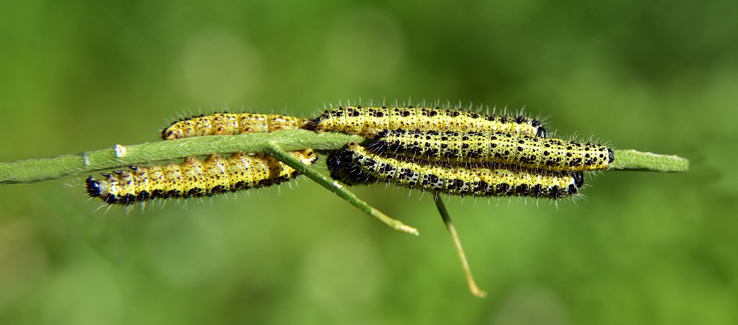
• Caterpillars
• Beetles
• Whiteflies
• Squash bugs

Neem tree oil insecticide Atlanta Ga

While neem oil works well to control pests, it is much more effective as a deterrent. As with all insecticides and pesticides, read the label and follow the application instructions.

People Also Ask

Q: Is Neem Toxic?
A: To mammals, birds, bees, and vegetation, neem oil is virtually non-toxic. The component “Azadirachtin” found in the oil can be moderately toxic to marine life.

Q: What Is Neem Used for?
A: While neem in western culture is more recognized as an insecticide or insect repellent – eastern culture has been utilizing all parts of the tree to treat a wide range of afflictions ranging from diabetes and cardiovascular disease, to fungal infections and even as a contraceptive.

Q: What Bugs Does Neem Oil Kill?
A: Neem oil insecticides kill or repel gnats, moths, termites, aphids, cockroaches, whiteflies, beetles, squash bugs, nematodes, snails, mosquitoes, scale, other bugs. Neem insecticides are very effective and will kill some insects, disrupt the molting (growth) process of others, and repel adult insects with its bitter taste.

Neem Tree Benefits for Everyone

The benefits of neem are almost overwhelming. As this tree has practical applications from its roots to its leaves, neem trees are now being grown in hot and arid locations around the globe for research, practical application, and harvesting.

In this article, you discovered how the neem tree species looks and grows, how its oil is applied in insecticides, its medicinal uses, uses in cosmetics, and even as lubrification for machinery.

As research continues into the versatility of the neem tree and its byproducts, we are quickly learning that this species may indeed be one of the most beneficial trees to human health and wellness.

Sources:

https://cals.arizona.edu/yavapai/anr/hort/byg/archive/neem.html
http://blog.press.princeton.edu/2018/05/24/plants-that-kill-neem-tree/
https://www.nap.edu/read/1924/chapter/9

https://plus.google.com/+Fasttreeremovalatlantaservices

Fast Tree Removal Services Atlanta
3379 Peachtree Road #555a, Atlanta, GA 30326
(404) 220-9965

To view the orignal version of this post, visit: http://www.fasttreeremovalatlanta.com/neem-tree-information-uses

Friday, September 21, 2018

A Tree Fell on My House, What Now?

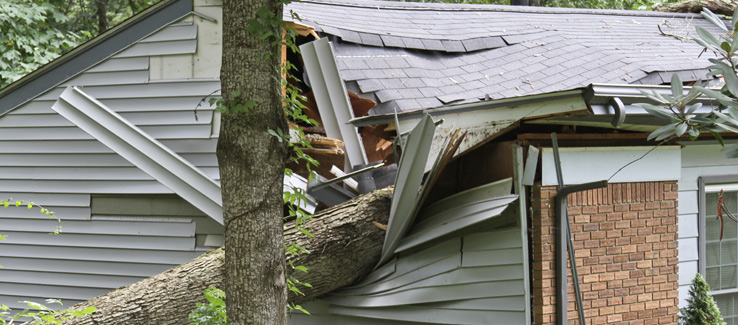
Tree fell on house emergency Atlanta Ga

When an 80-foot, 20,000 pound tree comes crashing down on your house, it may seem like Armageddon. Once you pull yourself together and see what has happened, there will likely be more questions and the stress of what to do next to properly and quickly resolve the situation.

Trees fall all the time. However, when one lands on a house, immediate action must be taken to prevent further damage.

The fasttreeremovalatlanta.com emergency experts lay out exactly how to handle a tree falling on your home, and answers pertinent questions that you may not have considered.

What To Do When A Tree Falls on Your House

There is no time to waste when your home has been struck by a fallen tree. Your immediate response should include the following:

Tree fell damaged house in Atlanta Georgia

1 – Evacuate the structure! Ensure that all family members, occupants, visitors, and pets are accounted for and safe. When damages are extreme, or there is flooding, consider moving them to another location until repairs can be made.

2 – Call 9-1-1, to report the incident if the tree:

• Caused any injuries or fatalities
• Interfered with power lines or utilities before falling on your home, or
• Is a threat to pedestrians or traffic

Inform the emergency operator of the situation and follow any instructions they may have.

3 – Document everything that is taking place and take pictures of all affected areas. This will help when filing your claim.

4 – Contact your homeowner’s insurance company and follow their instructions (delaying this call may void your policy).

5 – Contact a 24-hour emergency tree removal company to remove the damaged or fallen tree, and inspect other trees on the property that pose a potential threat.

6 – Contact a 24-hour roofing company to inspect, tarp, and repair damages to your roof.

7 – Contact a 24-hour plumber to stop any visible leaks and examine the rest of the plumbing system for any collateral damages.

8 – Turn off the power if detect that water is coming through the roof or from broken pipes. The combination of water and electricity is extremely dangerous and a recipe for electrocution.

9 – Contact a 24-hour emergency water removal company if water is flooding your home due to a storm or broken pipe, to stop the water from causing structural damages or initiating a secondary problem with mold.

What You Need To Know If A Tree Falls on Your House

The House – When a tree falls on a house, there will be apparent damages to the area in which it fell. However, this type of impact to a structure may result in hidden structural, electrical, and plumbing issues throughout the house.

The Tree – If the tree was uprooted during a storm, be aware that trees within close proximity may also be in danger of falling. Trees growing close together will often rely on each other’s roots to help anchor themselves.

Also, during severe and prolonged weather events, the soil may become oversaturated and destabilize the roots of other nearby trees; thus, leaving them vulnerable to strong winds or falling by their own weight days after the end of the storm.

Watch this video to see how trees can be affected by a severe weather event.

The Insurance Company – In the event your insurance company expresses they will not cover the costs of the tree removal, roof damage, and home repairs, you are not necessarily going to be left holding the bill.

Insurance policy’s can be complex and confusing, but if you meet your deductible and have not used the total coverage limits of your policy, your insurance provider may be liable to pay for damages.

When needing an advocate throughout this process, the insurance public adjusters can help you file, fight, and receive the full benefits of your insurance policy.

People Also Ask – Frequent and Important Questions

Q: Is a tree falling covered by homeowners insurance?
A1: Yes. If the tree fell on an insured structure or came down in a way that obstructs access to it (walkways, driveways, or doorways).

A2: Not likely. If the tree that fell was neglected, or did not fall on or block your structure, your claim may be refused.

Q: What happens when a neighbor’s tree falls on your house?
A: If your neighbor’s tree falls on your house, the basic rule is that the insurance policy of the damaged property pays for the losses.

Or, if your tree falls on your neighbor’s house, your neighbor’s homeowner’s insurance will cover the damages to your neighbor’s house.

For what to do when a tree falls on a car, see fasttreeremovalatlanta.com/tree-falls-on-car-who-is-responsible

Q: Is a fence covered by homeowner’s insurance?
A: Homeowner’s insurance policies will typically cover a fence, shed or a detached garage if it’s damaged by a covered peril on your property, such as a fallen tree.

Tree fell on house damaged fence Atlanta Ga

Q: What happens if my neighbor’s tree falls in my yard?
A: In most cases, each property owner is responsible for filing a claim for what falls into their yard, onto a fence or other structure in the yard.

Q: What does it mean when you have a $1000 deductible?
A: A deductible is an amount you pay out-of-pocket to the insurance when there is an accident involving property you have insured.

Let’s say the total cost to fix your roof is $3,000 and your deductible is $1,000 (this is what you pay). Only after you have satisfied the deductible, will your insurance carrier then cover the remaining $2,000 of the repair costs.

Emergency Tree Removal, Insurance, and Repairs

Ultimately, knowing how to react and what to do when a tree falls on your home will help you minimize stress and get your property and life back to normal as quickly as possible.

Once a tree falls on your home, time is of the essence. Get your loved ones to safety, call 9-1-1, follow their instructions, then contact your insurance carrier, an emergency tree removal company, a roofing company that can inspect the home’s structure for hidden damages, and a plumber to ensure that the jolt hasn’t caused any pipe ruptures or hidden leaks.

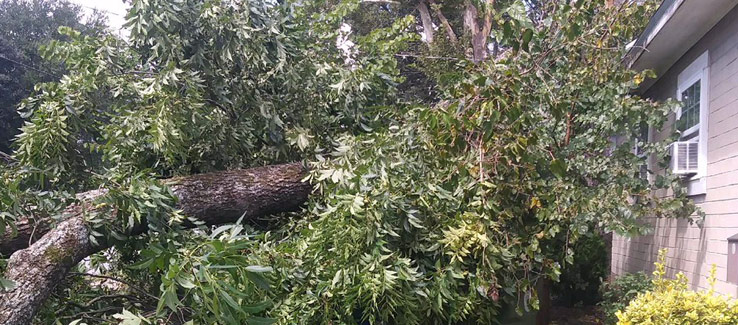
Fallen tree on house Atlanta Ga

Stalling or delaying to take action when a tree falls on your home can void your homeowner’s insurance policy, exacerbate the damages to your home, and lead to expensive out-of-pocket repairs.

https://plus.google.com/+Fasttreeremovalatlantaservices

Fast Tree Removal Services Atlanta
3379 Peachtree Road #555a, Atlanta, GA 30326
(404) 220-9965

To view the orignal version of this post, visit: http://www.fasttreeremovalatlanta.com/tree-fell-on-my-house-what-now

Tuesday, March 20, 2018

3 Spring Tree Care Tips

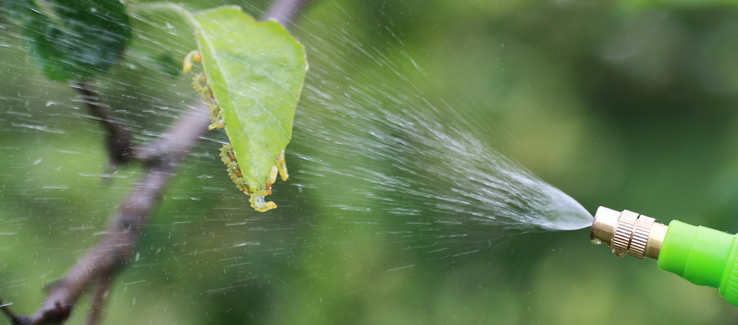
Tree care spraying insecticide on infested leaves and branches

This winter season is at its end, and trees are beginning to exit dormancy. This is the perfect time to inspect your trees and give them the care that they need before they fully awaken.

Throughout the cold months, much damage may have occurred. Some will be visible, while other types of internal damage may stay hidden. For this reason, the service professionals at Fast Tree recommend a thorough spring inspection of your trees, bushes, and plants.

These 3 spring tree care tips will help you give your trees a head start, detect issues, and get them under control before they become unmanageable or irreparable.

1 – Addressing the White Stuff on My Tree and Plant Leaves

A common disease known as powdery mildew has the appearance of a powder-like substance on tree and plant leaves. While this may seem to be a small problem, keep in mind that this appearance is due to millions of fungal spores which spread and infect trees easily on air currents.

How Do I Get Rid of Powdery Mildew? – Cut away and destroy (Do Not Compost) any part of a plant or tree that is infected. Follow up with the application of fungicides such as neem oil, lime-sulfur, or potassium bicarbonate.

2 – Diagnosing Dieback and Managing Dead Branches

Dieback occurs when a tree gradually deteriorates from the top down. This can be caused by drought, soil imbalances, or even insect infestation.

Throughout the seasons, many stressors will affect your trees. At times, they will result in the dying of a branch. This is very different from dieback, but the treatments are very similar.

How Do I Stop Dieback? – Saving a tree affected by dieback begins with determining and correcting the cause. The next step is to cut or trim back all of the dead parts of the tree. However, if the cause is a severe insect infestation, removing the tree altogether may be the only option to prevent the spreading of the infestation.

When Do I Remove Dead Branches? – Now. Dead branches should be removed immediately, during any season. They potentially pose a severe risk to nearby structures and if heavy enough, pose a threat to you and your family’s safety.

3 – How Do I Know If My Tree Has An Insect Infestation

As mentioned earlier, some problems are visible and easy to detect, while others are hidden. With a visible insect infestation, you will see the insects on the stems and leaves.

However, with boring insects like beetles, you are looking for holes in the bark, branches, and trunk (in some cases, you will see a small pile or mound of sawdust from the insect pushing it out of the hole.)

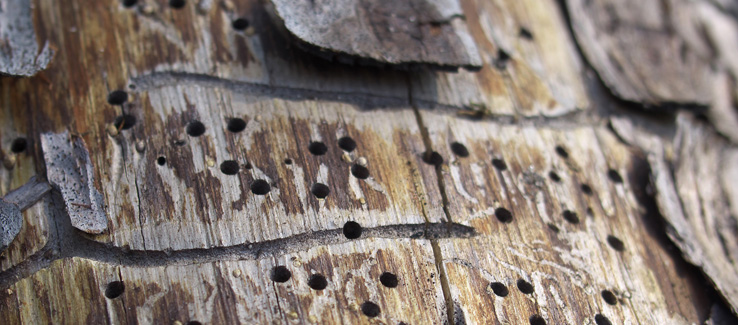
Tree trunk damage by boring insects

How Do I Treat An Insect Infestation? – Once you have confirmed an infestation, insecticides, horticultural oils, or insecticides should be used and applied immediately.

The more common of the options is the horticultural oil. This is a way to effectively and safely smother and kill boring insects. While this oil should be applied before the tree has begun to bud, killing the insects is the top priority at all times.

When oils are applied correctly and consistently, you will notice insects keeping away from your trees, shrubs, and plants. If you have a fruit tree in your garden, read this page fasttreeremovalatlanta.com/how-to-maintain-your-fruit-trees-this-spring for maintenance instructions and care tips.

Also, do not overlook, and be on the lookout for the root cause of the infestation. The insecticides will deter and kill the insects, but they will return when the deterrent wears off if not properly treated. Addressing the root cause of the problem will ensure a healthy yard and long-term solution for your plant or tree insect infestation.

When Do I Call A Professional Tree Service?

Whenever you suspect or detect a potential threat to your trees, it may be a good time to call in a tree service to help you properly assess and get things under control.

NOTE: What you may consider to be a total loss, may be saved by an arborist or trained professional.

Being proactive by scheduling regular tree and landscape inspections will help to avoid dead, dying, or diseased tree surprises. It will also leave you with a sense of security about the health of your trees and plants.

https://plus.google.com/+Fasttreeremovalatlantaservices

Fast Tree Removal Services Atlanta
3379 Peachtree Road #555a, Atlanta, GA 30326
(404) 220-9965

To view the orignal version of this post, visit: www.fasttreeremovalatlanta.com/3-spring-tree-care-tips

Monday, February 19, 2018

3 Atlanta Georgia Tree Replanting and Recompense Recommendations

Tree ordinance and recompense Atlanta Ga

In Atlanta Ga, tree planting or replanting frequently follows tree removal for construction projects or landscaping makeovers. When trees are removed for these and other purposes, the City of Atlanta tree ordinance imposes fines (known as recompense) that may reach $1,000 or more per tree depending on the tree’s size. Here’s more information about the recompense regulations fasttreeremovalatlanta.com/city-atlanta-tree-recompense-removal-fine.

Atlanta strives to achieve zero canopy loss in its urban forest. Forest restoration or the planting of trees helps alleviate the imposed recompense fine and restore the overall canopy.

The City of Atlanta Tree Planting List is a helpful document within the City’s tree ordinance that serves as a guide when deciding which species to plant. This is a link to an Atlanta tree ordinance summary fasttreeremovalatlanta.com/tree-ordinance-and-removal-permit. In this article we highlight 3 species native to the Piedmont region of Georgia, which includes the City of Atlanta.

Understory and Ornamental Sized Trees – Flowering Dogwood

Reaching up to 30 feet in height, understory trees have the capacity to sustain roughly 400 square feet of canopy at maturity. Measuring a diameter-at-breast-height (DBH) of less than 15 inches, recompense credit for these trees is only permitted when site conditions cannot support the planting of mid-story and overstory trees.

Flowering Dogwood – (cornus florida) is a deciduous understory tree native to the Georgia Piedmont region. This species flowers in mid to late spring and bears fruit in the late summer to early fall, providing an important food source for a variety of bird species which then spread the seeds.

Morning sun, afternoon shade, and moist acidic soil compose the ideal environment for the flowering dogwood. These trees are best acclimated to hardiness zones 5 through 9. Care should be taken to avoid trunk or root damage in any form, as this will greatly increase the tree’s susceptibility to pest infestation and disease.

The popularity of the flowering dogwood within Atlanta is evident and a tree seen throughout Atlanta suburbs and local City parks.

Mid-Story or Mid-Canopy Sized Trees – Red Maple

Reaching 60 feet in height, mid-story or mid-canopy trees have the capacity to sustain roughly 900 square feet of canopy at maturity. Measuring a diameter-at-breast-height (DBH) of 10 to 25 inches, recompense credit for these trees requires a spacing minimum of 25 feet on center between replacement and existing trees.

Red Maple – (acer rubrum) is a deciduous mid-story tree native to the Georgia Piedmont region. Often used as a shade tree (with intense red fall foliage and striking form), the red maple is one of the most commonly planted trees of Central and North America. Commercially used (on a small scale) for maple syrup production, this species is also harvested for its medium to high quality lumber.

Mid story red maple tree Atlanta Ga

With an uncanny ability to thrive in a wide variety of elevations, pH levels, and soil types, the red maple is among the most populous of trees found in North America. When germinating from seeds, moist mineral soil is the best selection. After which, its ideal growing condition is in locations with well-drained moist soil.

Being very tolerant of pollution and road salt, red maples are a choice tree for urban landscaping where there is enough space for its wide reaching root system. These maples are able to better thrive along city streets when the roots are cultivated by mycorrhizal fungi. However, as its root system can sometimes be invasive, planting near pavement or hardscaping may not be the wisest decision.

Overstory Trees – Black Oak

Reaching over 60 feet in height, overstory trees have the capacity to sustain roughly 1,600 square feet of canopy at maturity. Measuring a diameter-at-breast-height (DBH) greater than 25 inches, recompense credit for these trees requires a spacing minimum of 35 feet on center between replacement and existing trees.

Black Oak – (quercus velutina) is a deciduous overstory tree also native to the Georgia Piedmont region. This tree is found widespread in central and eastern North America and grows in all of the coastal states.

Its appearance resembles that of the red oak (quercus rubra) with which – on occasion – will hybridize. The fruit of the black oak (acorns) are an important food source for a wide variety of birds, rodents, and larger wildlife such as deer.

These trees contribute to their surroundings by providing shade and shelter to humans and animals, and provide twigs and leaves as food and supplies for nest-building birds. Being a large oak, they affect how water moves throughout its ecosystem and are avid participants in the global oxygen and carbon dioxide exchange.

This species has an average lifespan of around 200 years (California black oaks have been known to live up to 500 years), and grows best in well drained, warm, moist silty soils derived from glacial materials (limestone, sandstone, and shales).

The City in a Forest – Atlanta Tree Ordinance Protecting the Canopy

Atlanta is known as “The City in a Forest” and its tree ordinance sets down a strict set of guidelines for all of its trees. Whenever there is removal of a tree(s) in good health that poses no threat to people or structures, the ordinance is used to assess a recompense.

A recompense credit can be acquired when eligible and appropriate trees are planted to compensate for the trees that were removed. Using trees that are native to the Piedmont region of Georgia is highly recommended.

When planting a species not identified by the City of Atlanta tree planting list, the City’s arborist must approve the species before a recompense credit can be authorized. All of the aforementioned tree species are great suggestions for replanting, and can flourish in the City of Atlanta’s urban forest.

https://plus.google.com/+Fasttreeremovalatlantaservices

Fast Tree Removal Services Atlanta
3379 Peachtree Road #555a, Atlanta, GA 30326
(404) 220-9965

To view the orignal version of this post, visit: http://www.fasttreeremovalatlanta.com/atlanta-ga-tree-replanting-recompense-recommendations

Tuesday, January 23, 2018

A Tree Falls on My Car – Who Is Responsible?

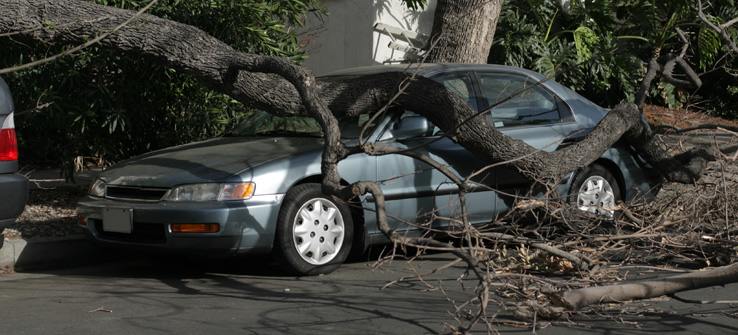
Emergency tree removal tree falls on car

Trees are able to grow tall and can weigh thousands of pounds as they age. Our emergency tree removal division quickly saw one of the most unsettling experiences with a tree is to innocently park your car near one, and return to find the tree through or lying across your car!

What happens, who do you call, and who is responsible?

Once the adrenaline rush subsides and you are able to catch your breath, the info outlined below will guide you through the basics of how to resolve this situation.

My Neighbor’s Tree Fell on My Car – Scenario #1

When your neighbor’s tree falls (by “Force Majeure”) on your car, it is not your neighbor’s responsibility. This may sound strange, but It is – in fact – an auto insurance claim.

“Force Majeure” is French for an “act of God”. Used in insurance policies, this clause removes liability for natural or unavoidable occurrences resulting in damages or loss of property. Your insurance policy will further define coverage and limitations of this clause.

The comprehensive part of your policy is what covers the claim, thus document everything. Take note of the date and time, weather conditions, and the exact location of the incident. Take pictures from several angles, and take a video of the incident while walking around the affected area.

Videos are very beneficial, and hundreds of images can be extracted from a single video. Be ready to provide your insurance company with all of this documented evidence, which is necessary to build your case and recover losses.

Your Insurance Claim and Policy Coverage

Once you have called in the claim to your insurance company, they will dispatch an adjuster to the location to evaluate the extent of the damages. The adjuster will determine what steps need to be taken to repair or replace the vehicle, and advise you on any further steps you may need to take to fully resolve the issue.

Tree Emergency car insurance adjuster

If you are unhappy with the assessment of your insurance adjuster, it may be wise to seek the opinion of a public adjuster. These insurance specialists are independent professionals that advocate on your behalf against providers that attempt to underpay claims.

However, you must have comprehensive insurance coverage before the incident occurs for the claim to be covered and settled. If you do not have comprehensive coverage, it is likely that all expenses for repair or replacement of your vehicle will be your out-of-pocket expense.

*TIP: Most auto insurance policies with comprehensive coverage will also get you into a rental vehicle while the claim is being resolved.

My Tree Fell on My Neighbor’s Car – Scenario #2

While this may seriously strain the relationship with your neighbor, the extent of your responsibility may only be to remove the portion of the fallen tree on your property up to your neighbor’s property line. Your neighbor will have to contact his/her insurance carrier to have their vehicle repaired or replaced.

Depending on the city in which you reside, there may be codes, statutes, and laws which assign responsibilities to the property owner from which the tree fell. For example, if you were lawfully notified that your tree was diseased, dying, or dead, and you did nothing to remedy the situation, you may be solely responsible for the removal of the tree and its damage.

A Public Tree Fell on My Car – Scenario #3

When a public tree falls on your car, dial 9-1-1, and follow the instructions of the emergency operator. Then immediately call your automobile insurance company to get started with filing a claim and getting a rental vehicle (if necessary).

City tree falls on parked car in public right of way

Similar to when a neighbor’s tree falls on your car (by an act of nature), it is not the city’s responsibility to pay for repairs or replacement. It is – once again – an automobile insurance claim. And it is the comprehensive part of your policy which covers the claim.

As in all of the above situations, document everything. Again, note the date, time, weather conditions, and exact location of the incident. Take pictures from several angles, and be ready to provide all of this information to your insurance company.

What Kind of Car Insurance Covers Damages from a Fallen Tree?

As previously mentioned, it is a comprehensive coverage policy that covers the types of claims and damages discussed above. Before the incident occurs, you must possess comprehensive coverage for the claim to be settled and paid.

If there is a deductible worked into your policy, it must be met before your insurance company will help pay for damages or the replacement of your vehicle.

Now that you are aware of the necessary coverage, we will cover how to handle various automotive emergency tree removal situations.

What Do I Do with the Damaged and Fallen Tree?

Once the issue of the vehicle has been taken care of, the tree should take center stage. The following will help you understand the responsibilities of each property owner in the tree’s removal.

Your Own Tree Falls on Your Property – You can either cut the tree up yourself or contract a tree service to cut and remove the tree.

Your Tree Falls Into Your Neighbor’s Yard – In most cases, the responsibility to remove the tree will fall on both property owners up to the property line. Depending on the relationship you maintain with your neighbor(s), splitting the cost of a tree company to have the entire tree removed may be a workable solution. Otherwise, you may contract a service to have the portion on your property removed.

You Were Notified or You Warned Your Neighbor – As previously mentioned, if you were lawfully notified that the tree in question was diseased, dead or dying and required to take action before its falling, you/they can be held responsible for the removal of the tree and all damages it may have caused.

The city in which you reside may regulate how these situations are dealt with through codes, statutes, and laws which assign responsibilities to the property owner from which the tree fell. If in Atlanta, click here for the City of Atlanta’s Tree Ordinance Code, otherwise consult your city’s website for more detailed information.

If you are the “neighbor” in this situation, maintain your composure, and work with your neighbor or local city officials to get the situation resolved. You will need undisputable documentation or evidence that proves you notified your neighbor of an impending danger related to the diseased or threatening tree. If the tree caused damage to your home, notify your home owner’s insurance provider, as this is a separate claim.

How Can I Prevent a Tree from Falling?

Remember, trees don’t decide when or where they are going to fall. They come down with tremendous destructive power, able to cause severe damage to property, and can be lethal if someone is in their path. Keeping them healthy and disease free is the key to avoiding a tree emergency.

Seasonal trimming and pruning should be a part of your routine landscape maintenance. If you sense sickness or disease, arborists are tree professionals trained to recognize and resolve problems with trees in their beginning stages. Call a tree service or certified arborist to schedule an annual or seasonal inspection of your trees. Take action today and protect your vehicle from the wrath of the next storm.

https://plus.google.com/+Fasttreeremovalatlantaservices

Fast Tree Removal Services Atlanta
3379 Peachtree Road #555a, Atlanta, GA 30326
(404) 220-9965

To view the orignal version of this post, visit: http://www.fasttreeremovalatlanta.com/tree-falls-on-car-who-is-responsible

Monday, December 11, 2017

City of Atlanta Tree Recompense and Removal Fine

Residential backyard trees Atlanta Ga Residential property owners in Atlanta looking to improve their landscape or remove distressed trees should know that the City of Atlanta goes to great lengths to protect its trees. Whether on public or private property, never assume that it is okay to just go out and cut down a tree.

The fines for unlawfully cutting down a tree or trees is steep. We outlined in detail the process, city arborist, and related info on obtaining a tree removal permit, see it here fasttreeremovalatlanta.com/tree-ordinance-and-removal-permit. It is relatively easy, but should be done (if necessary) before beginning any cutting or tree removal activities.

Below is the recompense, consequences and fines for not following the tree protection ordinance.

City of Atlanta Tree Ordinance and Recompense

The City of Atlanta has established a tree ordinance which sets forth guidelines for the protection and/or removal of trees. Below is an excerpt from the ordinance:

Tree removal recompense and fines Atlanta Ga “Where the tree conservation commission is able to determine the exact number of trees upon which a tree protection ordinance violation occurred, a fine imposed for the first violation shall be no less than $500.00, and the fine imposed for each subsequent violation shall be $1,000.00. Each tree upon which a violation occurred shall be deemed a separate violation of the tree protection ordinance.”

Furthermore, no person shall directly or indirectly remove, injure, or destroy:

  • Any tree located on public property.
  • Any tree having a diameter at breast height (DBH) of six inches or more which is located on private property without the acquisition of a removal permit.

If it is found that a removed tree did not present imminent hazard or danger, the city arborist shall assign a recompense* and may impose a separate fine. It is the policy of the city that there shall be no net loss of trees within the boundaries of the city.

*A recompense defined for this purpose is: A monetary compensation for the loss of or damage to trees. The amount of a recompense is generally determined by the quantity and size of affected trees, but remains at the discretion of the city arborist.

Contact a Local Tree Service for Assistance

While there are some exemptions to the removal permit requirement, they are very few and they are very specific. Before taking matters into your own hands, contact a local arborist or tree service to help in the assessment of your tree’s needs and whether or not a permit will be required.

Residential trees in front yard Atlanta Ga The professionals at Fast Tree are fully abreast of current ordinances and laws regulating the maintenance, care, and removal of trees in the City of Atlanta.

https://plus.google.com/+Fasttreeremovalatlantaservices

Fast Tree Removal Services Atlanta
3379 Peachtree Road #555a, Atlanta, GA 30326
(404) 220-9965

To view the orignal version of this post, visit: http://www.fasttreeremovalatlanta.com/city-atlanta-tree-recompense-removal-fine

Tuesday, November 21, 2017

6 Colorful Plants Trees and Shrubs for your Atlanta GA Fall Yard

Red twig dogwood with fall foliage in Atlanta Ga yard Fall has arrived in all its glory. The trees, plants and shrubs are brilliantly changing colors and providing one of the greatest natural – living – spectacles for us to watch.

Adding colorful trees, shrubs and plants to your landscape is simple. The seemingly daunting task is to choose which variety, colors, size and shape of trees and shrubs. Below we compiled a list of some great choices, but Fast Tree of Atlanta GA stands ready to help you in the decision making process as well as the groundwork.

Characteristics of Plant Tree and Shrub Species

Let’s take a look at a few beautiful tree, shrub, and plant options.

Calendula – Flowering plant with bright yellow, classic orange or mild shades of cream and soft yellow, Calendula lends its colors from late fall through spring.

Calendula marigold plant blooming in fall yard With the exception of very cold climates, calendula (marigolds) have the ability to adapt quickly and grow well throughout the year.

Calendula can reach 1 to 2 feet high and 1 to 1½ feet wide. Moderate water and full sun will keep this beautiful option happy in your garden.

Dogwoods – What would an Atlanta garden be without dogwood trees? Dogwoods put on a show all the time and – strategically placed – provide a beautifully colored ebb and flow to any landscape.

Red twig dogwoods are particularly amazing. Their leaves turn to a brilliant red or a deep reddish purple before they drop, then revealing the red stems!

Growing 3 to 4 feet in height, the ‘Arctic Fire’ variety will give the reddest stems.

Whichever variety you choose, springtime brings clusters of white flowers with eventual fruit (white to red-purple), attracting birds to your Atlanta garden!

It’s no wonder dogwoods are so popular. They bring both color and life to the party – how cool is that?!

Candytuft – Flowering plant with pure white clusters, candytuft is sure to catch your eye twice! They bloom in the spring and again in the fall.

This is an easy to care for evergreen plant. In areas where the winters are severe or have extended freezing periods, be sure to water them well in the fall. This will help them survive the cold.

Candytuft flowering plant in fall yard blooming Growing 8 to 12 inches tall and wide, your candytuft will thrive in full sun and with regular water.

Female Spicebush – A plant or shrub with ½ inch berries that turn from green to yellow then to glossy crimson as its leaves turn to a mesmerizing yellow, a female spicebush will provide a particularly awesome show in the fall.

Spicebushes are dioecious. When purchasing the plants, be sure to acquire a male and a female.

The male will flower in the spring while the female takes over in the fall. Planting them within proximity of each other will help them to thrive and bloom year after year.

With proper care and planted in the right environment, a spicebush plant can become a 5 to 8 foot shrub a bit wider than tall.

Common Witch Hazel – is a fall-flowering, head turning shrub and tree. With four-petal golden flowers and brilliant yellow leaves, this beauty is sure to be a hit on your landscaping!

With the ability to reach from 8 to a whopping 25 feet tall, the common witch hazel can be classified as either a shrub or a tree.

Witch Hazel is a robust addition to landscapes in zones 3 through 8 on the Hardiness Zone Map. It is tolerant to weather adversity and should be planted in an area with well-watered and drained soil.

You can expect to see birds and butterflies with the common witch hazel. The birds will come for the seeds, while the spring azure butterfly larvae prefer it as a home.

Gingkos – Add a living tree fossil to your landscape! Seriously. Gingkos are the remnants of tree varieties that were found worldwide some 200 million years ago.

In the fall, an absolutely amazing show of yellow will dazzle onlookers as the leaves change to welcome in the coming cold weather.

Gingko tree in Atlanta fall yard With fan-shaped leaves resembling maidenhair fern leaves, the gingko is often referred to as the “maidenhair tree”.

Gingkos will grow anywhere from 40 to 80 feet often times with an umbrella shaped canopy.

Popular Tree Recommendations From Your Yard Experts

Choosing which trees, shrubs and plants to add to your yard can be a bit daunting. Are they tall enough? Are they wide enough? Are the roots invasive? Are they high maintenance? How often will I be watering them?

When planting a yard or landscape, you are creating an ecosystem. Animals, plants, and even fungi will all play a role in its growth and overall health, so avoid impulse buys and make informed decisions about what you want growing where.

Whether making improvements to current landscaping or starting from the ground up (pun intended), let our team of tree experts help in your decision making process. May your fall yard be bright!

https://plus.google.com/+Fasttreeremovalatlantaservices

Fast Tree Removal Services Atlanta
3379 Peachtree Road #555a, Atlanta, GA 30326
(404) 220-9965

To view the orignal version of this post, visit: http://www.fasttreeremovalatlanta.com/6-colorful-plants-trees-shrubs-atlanta-ga-fall-yard