Fast Tree Removal Services Atlanta

Showing posts with label Insect Infestation. Show all posts

Thursday, April 18, 2019

Warning Signs, Problems and Solutions for Atlanta Trees

Tree problems and solutions in the City of Atlanta Ga

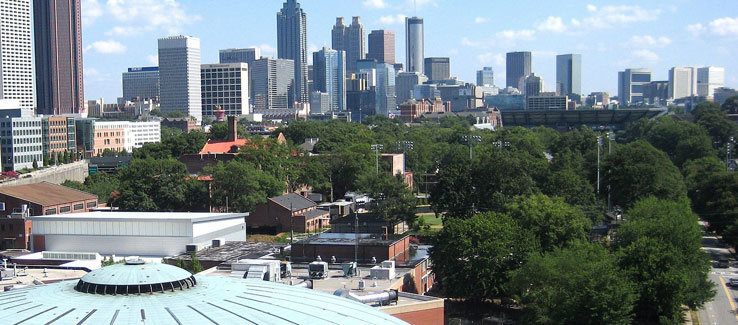
There are several dangers facing trees in your Atlanta landscape. The dense foliage within Atlanta, “the city in a forest,” is prone to facing health problems and can need your help.

Infestation, disease, and construction mishaps are causes that weaken and kill trees when they are not properly looked after. Your immediate action when a tree is in decline can be the difference in it thriving or dying.

This fasttreeremovalatlanta.com article identifies tree health symptoms and causes like construction damage, insect infestations, powdery mildew, and then offers easy to perform solutions for each of them.

Declining Tree Health Symptoms

When trees are in trouble, they typically exhibit obvious symptoms telling you that there is a much more significant problem at hand. Some of the more common symptoms requiring immediate attention are:

Dieback – This is a symptom of, soil compaction, infestation, disease, or girdling and occurs when the foliage, branches, and twigs begin to die from the outside in towards the trunk.

Tree dieback problems and solutions in Atlanta Ga

If not quickly addressed, large branches and entire portions of the tree will die and become brittle, potentially falling without forewarning.

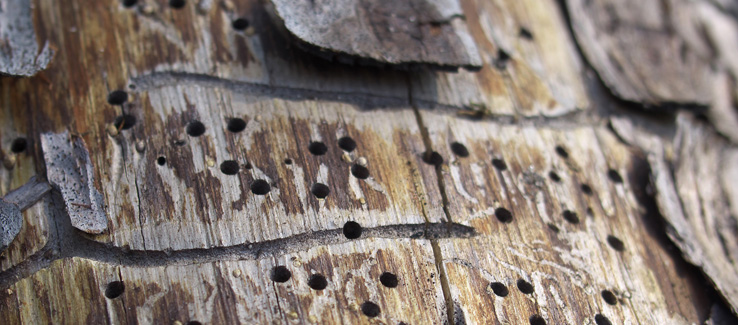
To identify an insect infestation, look for entry and exit points appearing as rounded holes with either sawdust (pitch) or sap blow the hole.

Stunted Growth – When a tree is under stress from an insect infestation or disease, smaller foliage and reduced growth may occur. Often, the crown will be disproportionate with smaller and fewer leaves on one side.

If left untreated, the tree’s health will continue to decline, leaving it susceptible to multiple infestations, and eventually lead to its death.

Premature Leaf Drop or Late bloom – A deciduous tree stressed by compacted soil, severe infestation, disease, or partial girdling may drop its foliage in late summer before other trees, or may not bloom until late in the spring.

Stressed evergreen trees may lose more foliage than usual in late summer and fall, along with signs of chlorosis (yellowing of foliage).

This is an alarming sign which underscores the severity of what is happening within the tree and must be quickly addressed to save it.

Drooping Crown – A common symptom of soil compaction is when your tree’s crown appears to droop, or the foliage appears to be wilted.

This soil condition may cause irreparable damage to the tree’s root system resulting in hydraulic failure (when the tree can no longer transport water and nutrients to and from the roots) and eventual death.

Tree Problem – Construction Damage

Construction damage can be soil compaction from transiting or parked vehicles and heavy storage or waste containers left under a tree. Bark damage leading to partial or complete girdling may result from leaning equipment or being struck by vehicles.

These issues are not limited to construction sites, the integrity of the soil and trunk of your tree are vital to its survival and should always be protected.

Construction Damage Solution – The City of Atlanta has specific guidelines on tree protection for construction sites which must be implemented. The failure of a company or person to adequately protect trees on a commercial or private construction site may be met with steep fines, and in the case of a lost tree, a tree recompense and fine may be assessed.
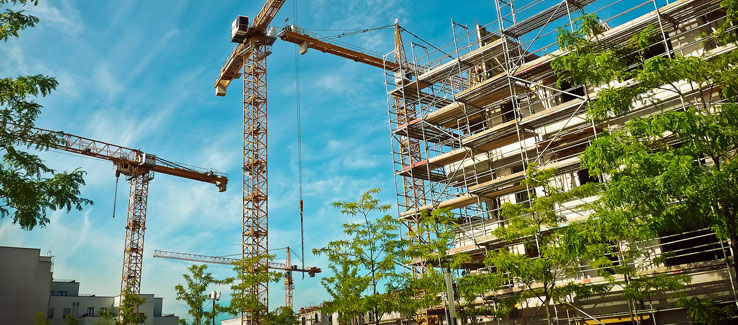
Tree problems from construction damage in Atlanta Ga

In the case of soil compaction, it can be challenging to save a tree’s roots. Depending on the size of the tree, 15 inches to 3 feet of new topsoil may be required to counteract the effects of it.

Read more about reversing soil compaction here ecolandscaping.org/01/soil/dealing-with-soil-compaction/

In the case of bark damage and girdling, if the damage is severe enough that it cuts through the xylem and phloem around the majority or entire circumference of the trunk, the tree may already be dead.

In situations with lesser damage, bark patches have a better chance of restoring the flow of water and nutrients from the crown and roots. Uncover further information on bark damage here fasttreeremovalatlanta.com/handling-tree-bark-damage

Tree Problem – Insect Infestation

The healthier a tree is, the easier it can repel attacks from boring insects. Likewise, these pests will typically target trees in a weakened state of health. However, when the insect population grows and trees become limited, they will target and successfully invade healthy trees too.

Some beetle species will burrow into the heartwood and nest deep within the tree. Beetles carry fungal spores with them which germinate within the tree providing nutrients for their offspring and ultimately causing a fungal infection which further weakens the tree.

As their numbers grow, infestations can easily devastate entire urban landscapes, inflicting irreparable damage to multiple trees of all sizes and ages.

Tree insect infestations in Atlanta Ga

Insect Infestation Solution – When caught in its early stages, an insect infestation is easily managed through the use of insecticides, traps, and the removal of infected limbs or the source tree in its entirety.

In any case of an insect infestation, call a tree professional for expert advice on types of treatment and how to protect surrounding trees. The web, in addition to the insect can lead to tree disease or death. To learn more, read fasttreeremovalatlanta.com/insect-webs-tree-decay-disease-death

Tree Problem – Powdery Mildew

Powdery mildew is a fast-spreading fungal disease affecting a wide range of trees and plants. It commonly has the appearance of white powder stuck to leaves riddled with black spores.

This disease is difficult to control, as it is spread by wind, splashing water, insect, wildlife, or human activity.

Powdery mildew problems on trees in Atlanta Ga

In severe cases when enough foliage is covered by the disease, the host tree’s capacity to photosynthesize can be significantly reduced causing deficiencies and weakening the tree’s health, leaving it vulnerable to infestations and other infections.

Powdery Mildew Solution – Halting and preventing powdery mildew can be as easy as watering your trees. The following tips will help you quickly gain control over this disease.

• Neem Oil – Spray affected and surrounding foliage with a neem oil solution (2.5Tbsp per gallon of water) weekly.
• Home Remedy – Spray affected and surrounding foliage with a solution of 1Tbsp of baking soda and 1tsp of liquid dish soap per gallon of water.
• Garden and Pruning Equipment – All equipment used on infected plants and trees should be thoroughly washed then rinsed in a bleach solution (1/8 cup bleach per gallon of water). Alcohol may also be used in place of bleach (1 cup alcohol per gallon of water).

In cases where 25% percent or more of the foliage is infected, call a tree professional to offer suggestions for a more aggressive approach to controlling this disease.

For more on tree disease control and prevention, read fasttreeremovalatlanta.com/5-tree-shrub-disease-prevention-tips

Protecting Atlanta’s Tree Canopy

Don’t let your trees die needlessly. With so many trees in an urban setting, accidents, infections, and infestations are bound to happen, are you ready for them?

In this article, you discovered how to identify the problems and symptoms of a troubled tree, like construction damage, girdling, insect infestations, powdery mildew, and how to effectively treat each of them.

Your failure to act when your trees are injured or ill can result in their death and toppling. Avoid catastrophic damages and potential fines or recompense from the City of Atlanta by taking action while you still can.

Sources:
http://extension.uga.edu/publications/detail.html?number=B1238&title=Common%20Landscape%20Diseases%20in%20Georgia
http://newswire.caes.uga.edu/story.html?storyid=5161&story=Fig%20Pest
https://www.atlantaga.gov/Home/ShowDocument?id=1538

Fast Tree Removal Services Atlanta
3379 Peachtree Road #555a, Atlanta, GA 30326
(404) 220-9965

Fast Tree Removal Services Dunwoody
2111 Peachford Cir, Dunwoody, GA 30338
(404) 220-9963

To view the orignal version of this post, visit: http://www.fasttreeremovalatlanta.com/warning-signs-problems-solutions-atlanta-trees

Tuesday, March 20, 2018

3 Spring Tree Care Tips

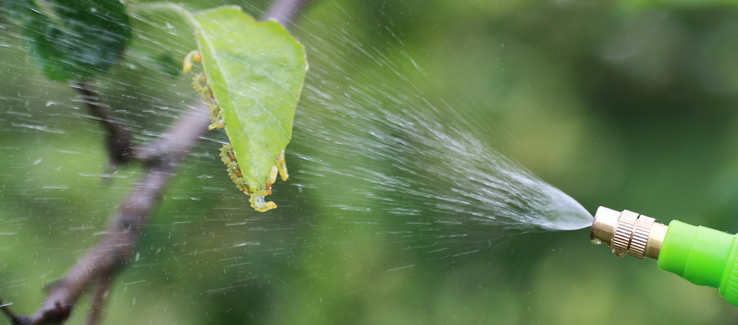
Tree care spraying insecticide on infested leaves and branches

This winter season is at its end, and trees are beginning to exit dormancy. This is the perfect time to inspect your trees and give them the care that they need before they fully awaken.

Throughout the cold months, much damage may have occurred. Some will be visible, while other types of internal damage may stay hidden. For this reason, the service professionals at Fast Tree recommend a thorough spring inspection of your trees, bushes, and plants.

These 3 spring tree care tips will help you give your trees a head start, detect issues, and get them under control before they become unmanageable or irreparable.

1 – Addressing the White Stuff on My Tree and Plant Leaves

A common disease known as powdery mildew has the appearance of a powder-like substance on tree and plant leaves. While this may seem to be a small problem, keep in mind that this appearance is due to millions of fungal spores which spread and infect trees easily on air currents.

How Do I Get Rid of Powdery Mildew? – Cut away and destroy (Do Not Compost) any part of a plant or tree that is infected. Follow up with the application of fungicides such as neem oil, lime-sulfur, or potassium bicarbonate.

2 – Diagnosing Dieback and Managing Dead Branches

Dieback occurs when a tree gradually deteriorates from the top down. This can be caused by drought, soil imbalances, or even insect infestation.

Throughout the seasons, many stressors will affect your trees. At times, they will result in the dying of a branch. This is very different from dieback, but the treatments are very similar.

How Do I Stop Dieback? – Saving a tree affected by dieback begins with determining and correcting the cause. The next step is to cut or trim back all of the dead parts of the tree. However, if the cause is a severe insect infestation, removing the tree altogether may be the only option to prevent the spreading of the infestation.

When Do I Remove Dead Branches? – Now. Dead branches should be removed immediately, during any season. They potentially pose a severe risk to nearby structures and if heavy enough, pose a threat to you and your family’s safety.

3 – How Do I Know If My Tree Has An Insect Infestation

As mentioned earlier, some problems are visible and easy to detect, while others are hidden. With a visible insect infestation, you will see the insects on the stems and leaves.

However, with boring insects like beetles, you are looking for holes in the bark, branches, and trunk (in some cases, you will see a small pile or mound of sawdust from the insect pushing it out of the hole.)

Tree trunk damage by boring insects

How Do I Treat An Insect Infestation? – Once you have confirmed an infestation, insecticides, horticultural oils, or insecticides should be used and applied immediately.

The more common of the options is the horticultural oil. This is a way to effectively and safely smother and kill boring insects. While this oil should be applied before the tree has begun to bud, killing the insects is the top priority at all times.

When oils are applied correctly and consistently, you will notice insects keeping away from your trees, shrubs, and plants. If you have a fruit tree in your garden, read this page fasttreeremovalatlanta.com/how-to-maintain-your-fruit-trees-this-spring for maintenance instructions and care tips.

Also, do not overlook, and be on the lookout for the root cause of the infestation. The insecticides will deter and kill the insects, but they will return when the deterrent wears off if not properly treated. Addressing the root cause of the problem will ensure a healthy yard and long-term solution for your plant or tree insect infestation.

When Do I Call A Professional Tree Service?

Whenever you suspect or detect a potential threat to your trees, it may be a good time to call in a tree service to help you properly assess and get things under control.

NOTE: What you may consider to be a total loss, may be saved by an arborist or trained professional.

Being proactive by scheduling regular tree and landscape inspections will help to avoid dead, dying, or diseased tree surprises. It will also leave you with a sense of security about the health of your trees and plants.

https://plus.google.com/+Fasttreeremovalatlantaservices

Fast Tree Removal Services Atlanta
3379 Peachtree Road #555a, Atlanta, GA 30326
(404) 220-9965

To view the orignal version of this post, visit: www.fasttreeremovalatlanta.com/3-spring-tree-care-tips

Tuesday, August 22, 2017

Insect Webs Can Lead To Tree Decay, Disease, and Death

Tree insect infestation with web wrapped around leaves and branch

Web-generating pest infections are definitely an ugly issue for tree’s appearance and health. Tree webs are often created by mites or caterpillars that create webs on the under part of the tree leaves and close to its branches.

While this issue is not an easy sight to see, it at the same time raises a serious health risk for tree’s health. Pest-generating webs can defoliate and loosen up the core of trees, which eventually leaves the exposed to extra pest infestations, disorders, and even death.

In this article we will outline which insects and pests cause issues that lead to problems and disease. Visit fasttreeremovalatlanta.com/5-tree-shrub-disease-prevention-tips for disease prevention tips, and read below on how to prevent the pest insect webs from happening.

Pests That Create Webs In Trees

Spider mites – Spider mites are spider kinds that create thin and silk-like kind of webs. They creep in the colonies of the trees and produce hundreds of mites per each. They are often not visible to the naked eye and you can typically spot them by the form of the webs they create on the under part of the tree leaves. Apart from spinning webs, spider mites also deprive vital nutrients from the leaves as they consume them, which leads to their falling.

Tent Caterpillar – This caterpillar produces a web inside the crotches of the tree branches. Their eggs hatch as new leaves grow in the spring months and the caterpillars remain active until early summer. They also let their webs to eat tree leaves as a breakfast and in the afternoon before they go back.

Bagworms – These don’t create any webs on trees and plants. However, this kind of worn creates a tiny bag around its body from the plant consumed and when it’s bothered, it returns to the bag for protection. Their eggs hatch before summer sets, but you can only see them once their bags become more than 1 inch in size. These worms may lead to widespread damage to the tree.

Fall webworms – these worms, as their name suggests, lay their eggs on the leaves of trees going through the Autumn falling stage. Thousands of their eggs hatch during the summer season and their leaves spin and enclose themselves in web-kind of hosts named “tents”.

Once the webworm spins and continues eating, the tents grow and lead to ugly establishments. The adult fall webworm caterpillar is around 1 inch long with thin gray-orange hairs over a greenish yellow body. The tree kinds they usually infest are maples, birches, willow barks, walnuts, and mulberrries.

Funnel Web Spiders – These look like a wolf spider in appearance. The make large flat webs they spin through grass, soil covers, or tree and plant branches. The web slants slightly toward a slender funnel where the spider lives. Funnel spiders generally don’t cause any intense damages to the tree but once they bite, this can result into major issues.

Funnel web attached to tree with spider waiting

Removing Pesky Worms And Their Webs

Insecticides – For widespread infestations or infestations towards the length of trees, insecticides (insect killer substances) used in conjunction with soapy substances are indicated. It’s challenging to get the worms inside their spun web but the insecticide/s will reach them as they aim to grow

Garden Hose – You can use this spray to remove higher webs or reach the web and leave it exposed to predators e.g birds that will feed on the worm.

Soap and Water – Good old soap and water can retard the growth of pesky insects by removing their sticky substance and coating they rely upon and lead to dehydration.

Taking Action Keeps Your Trees Healthy

It is vital to deal with infected areas the moment you see web-kind of structures on your tree. If you don’t treat them in time, the infestation will grow further and the pest will be harder to deal with later.

Keep in mind also that chemical based trees should only be used when necessary as while they do work, they loosen up the tree’s structure and leave it exposed to further infestations. They also repel any useful predators from feasting upon mite and caterpillar populations.

Proper maintenance and care ensures the longevity and health of your trees. Contact www.fasttreeremovalatlanta.com for your tree service and tree care needs.

https://plus.google.com/+Fasttreeremovalatlantaservices

Fast Tree Removal Services Atlanta
3379 Peachtree Road #555a, Atlanta, GA 30326
(404) 220-9965

To view the orignal version of this post, visit: http://www.fasttreeremovalatlanta.com/insect-webs-tree-decay-disease-death