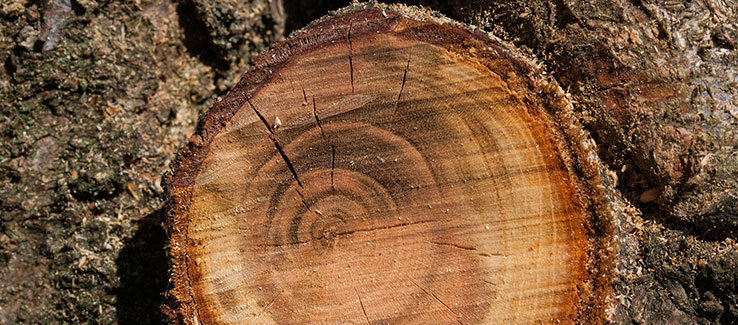
Fast Tree Removal Services Atlanta

Showing posts with label Trees. Show all posts

Tuesday, March 17, 2020

Why Are My Trees Dying?

Dying trees from disease infestation and climate conditions

Your dead or dying trees could become severe hazards capable of causing catastrophic damage to your property. Knowing why your trees are getting sick and dying will help you take action to either save them or remove them.

fasttreeremovalatlanta.com gathered the following information to help you uncover the many reasons your trees may appear to be dying or already dead and what to do with them.

What Is Making My Trees Sick?

Your trees may be under stress or dying from a variety of conditions. For some of the following, the situation can be reversed, for others, tree removal may be necessary for the protection of the surrounding trees and landscape:

Drought – Trees are capable of resisting disease-causing organisms and insect infestations when they are sufficiently hydrated. During times of drought, trees, shrubs, and plants use up water stored in the soil.

If this water is not replenished, trees will begin to display the following signs:

• Wilting
• Unseasonal leaf drop
• Insect infestation
• Fungal growth

It is essential to note that the above signs of illness or infestation typically appear after years of stress being applied to a tree’s health.

Unseasonable Heat – With global average temperatures on the rise and in many regions, longer summer seasons, heat may cause trees to lose the ability to evaporate enough water to cool their leaves.

When trees cannot meet their cooling needs, the result is leaf damage and additional stress to the tree’s health. This condition often causes early leaf drop in deciduous species and mortality in conifers.

Dying trees from rising temperatures and unseasonable heat

Note: In small doses over long periods, trees are extremely capable of adapting to evolving conditions. However, at the rate temperatures are on the rise globally, trees are unable to keep up. Those trees found on the cusp of their hardiness zone are usually the first to develop symptoms of “overheating”.

Boring Insects – These insects have mastered their attack on trees to the point that by the time you recognize signs of infestation, the insects have likely moved on to a new host. Boring insects like beetles tend to successfully attack trees already stressed by heat, drought, and other factors. Signs of a boring insect infestation include:

• Entry/Exit holes in the trunk, branches, or stems
• Foliage wilting or loss on specific branches or stems
• Branch or stem death on an otherwise healthy-looking tree
• Visual identification of the insect

Due to the destructive nature of boring insects, an arborist must be hired to inspect the tree, perform a hazard assessment, and evaluate the risk to the surrounding environment.

Read more about beetle damage and treatment at fasttreeremovalatlanta.com/ambrosia-beetle-damage-treatment

Disease – When trees are infected by a disease, they can take years to show symptoms, and by then, it may be too late to save the tree. This depends on the health of the tree when it was successfully attacked, the tree’s capacity to compartmentalize diseased tissue, and how the tree was infected.

Pathogens that attack trees through their roots are fast-acting and can cause hydraulic failure and death in a fraction of the time others may take.

Diseases that frequently attack trees include:

• Anthracnose
• Armillaria root rot
• Dothistroma needle blight
• Oak wilt
• Phytophthora diseases
• Blight diseases
• Cytospora (Cankers)

Some pathogens like the ambrosia fungi are carried from tree to tree by boring insects. If successfully attacked, the tree now hosts a boring insect infestation and the disease it brought with it. Coupled with an already weakened state, such trees are likely to show symptoms, decline, and die fairly quickly.

Diseased dying trees with visible symptoms

Note: Tree roots weakened/stunted by drought or root rot (poorly drained soil) are most susceptible to successful pathogen attacks, such as Armillaria root rot.

Poor Tree Care – In some instances, a tree’s health can be weakened by the actions meant to boost its health. Consider the following:

• Poor pruning practices
• Using unsterilized equipment
• Over-fertilizing
• Water-logging the soil
• Herbicide application (to kill weeds) too close to the root plate or on the tree
• Volcano mulching

Read more about tree pruning, cutting, and removal at fasttreeremovalatlanta.com/when-tree-pruning-cutting-emergency-removal-atlanta-ga

When a tree suddenly dies, it is likely due to multiple factors (drought, infestation, disease, unseasonable heat, etc.) causing hydraulic failure within the tree. Visit fasttreeremovalatlanta.com/how-do-i-know-if-my-tree-dying to discover what other signs to watch for when a tree’s health is declining.

Trees Eventually Die

For as much as we love and care for our trees, they are not immortal. It is normal for trees to grow old and die. Many fruit trees have a lifespan limited to decades, while some species may persist for hundreds or thousands of years. You can give your tree its best shot at a long life by:

• Planting an appropriate species for the region
• Planting it well within its hardiness zone
• Planting it in the right location*
• Providing the correct balance of nutrients
• Providing sufficient water (especially in times of drought)
• Using proper organic mulching techniques
• Using proper pruning methods with sterilized equipment

* The importance of planting a tree in the proper location cannot be overstated. The roots need space to grow and develop unobstructed. The tree’s canopy should be free from obstruction (especially from any power lines above).

Dying trees from poor care techniques

If and when the time comes to have your tree removed, call a professional tree service to have it safely brought down, especially if it is infested or diseased. This will help you save any neighboring trees, shrubs, and plants from being infected or infested by whatever killed your tree.

My Trees Are Dying

In this article, you discovered several reasons that can lead to the death of your tree(s), and what to do with them.

By recognizing the signs of disease and infestation, and taking action, you can potentially save your tree. At the very least, you can make informed decisions on what needs to be done.

When you ignore the signs of an ailing tree, you place your property, vehicles, and even your well-being at grave risk if the tree topples.

Sources:
tcia.org/TCIA/Blog_Items/2014/What_To_Do_When_Your_Tree_Is_Dying.aspx
newhanover.ces.ncsu.edu/2019/06/why-are-my-trees-dying/
science.sciencemag.org/content/suppl/2013/11/13/342.6160.1235773.DC1
fs.fed.us/foresthealth/protecting-forest/native-insects-diseases/
extension.umd.edu/hgic/topics/cytospora-canker-spruce
extension.tennessee.edu/publications/Documents/SP686.pdf

Fast Tree Removal Services Atlanta
3379 Peachtree Road #555a, Atlanta, GA 30326
(404) 220-9965

Fast Tree Removal Services Dunwoody
2111 Peachford Cir, Dunwoody, GA 30338
(404) 220-9963

To view the orignal version of this post, visit: http://www.fasttreeremovalatlanta.com/why-are-my-trees-dying

Monday, February 17, 2020

Will Cutting Off Dead Branches Help My Tree?

Tree pruning cutting off dead branches

Are you concerned about the meaning and impact of dead branches on your tree? By knowing how and when to cut dead branches off of your tree, you can help it remain healthy and vibrant.

fasttreeremovalatlanta.com gathered the following tips and information about cutting dead branches off of your tree and the impact it can have on your tree’s health.

Does Cutting Off Dead Branches Help a Tree?

Yes, cutting off or pruning dead branches helps a tree in a multitude of ways. The act of pruning dead branches and growth also adds to the safety of the tree and its surroundings.

When Is The Right Time To Prune Branches

The right time to prune branches depends on which ones you are pruning and for what reason. For dead, dying, or broken branches, observe the following:

• There is no wrong time. Dead or dying branches pose a considerable health risk to the tree and should be removed when detected.
• When a branch dies, there is no sap running through it, thus minimizing the risk of oozing sap after its removal.

Tip: When removing an entire branch, alive or dead, it should be pruned all the way back to the branch collar (the bulging bark where the branch meets the trunk). The cut should be made flat and smooth without causing damage to the branch collar, which will eventually move in over the wound and seal it.

Dead branch removed to help the tree heal properly

For live branches, the rules change:

• To remove or prune live and healthy branches, it is recommended to do so at the end of the growing season, during a tree’s dormancy cycle, or before budding at the beginning of the next growing season.
• This pruning may be done to shape the tree, thin the crown, encourage new spring growth, and many other reasons.
• Pruning these branches during the growing season can invite a host of insects and disease to the tree, potentially leading to compromised health and the eventual death of the tree.

Tip: Uncover further information about the right time(s) to prune your trees by reading fasttreeremovalatlanta.com/when-tree-pruning-cutting-emergency-removal-atlanta-ga

Tree Safety Concerns

As a branch dies, all of the twigs attached to it and the branch itself will become a hazard to whatever is below it. Dead limbs will:

• Rot from the smaller diameter parts first
• As the larger diameter parts rot, they begin to fall
• Injure other limbs as they fall
• Become a substantial threat to whatever is below, as some may weigh several hundred pounds

When these limbs are located over driveways, garages, sheds, and homes, they are capable of causing catastrophic damages and should be removed promptly.

Tip: Once per month, take the time to examine your tree canopy. Be on the lookout for dying, dead, or rotting branches. Once identified, look below it to see what may be in the path of the limb if/when it falls.

Tree Disease and Insect Infestation Concerns

Over several millennia, trees have developed magnificent defensive systems against insect infestations and disease. However, a dead branch is a defenseless open invitation to insects and diseases.

While the healthy parts of the tree can effectively repel these intruders, all it takes is a single successful attack to compromise the health of the rest of the tree.

Tree pruning to reduce the risk of boring insect infestation and disease

Tip: If you detect carpenter ants, beetles, mushrooms, or any strange growth on a dying or dead branch, contact a professional tree service. They can evaluate the situation and recommend a course of action to remedy the situation.

Why Does My Tree Have Dead Branches?

As a tree grows, there are many reasons that a particular branch may die while the rest of the tree flourishes. The following are some of the reasons a tree may have dead branches:

1. The branch may not get enough sunlight. This may trigger the tree to compartmentalize and eventually shed the branch.
2. There may be an insect infestation in that branch which has compromised the flow of water and nutrients (hydraulic failure).
3. Bark damage on the trunk may also cause hydraulic failure and the death of the branch.
4. Rope and wire used to hang swings, bird feeders, clotheslines, etc. may damage the branch bark enough to girdle the branch, causing hydraulic failure.
5. Severe weather events may cause a branch to crack. This damage may not be apparent until the branch begins to die.
6. Many diseases may cause individual branches, entire sections, or the whole tree to die. Many of these diseases enter the tree through the root system, while others can infect damaged bark or poorly pruned branches.

Tip: When a branch, two inches in diameter or greater, dies on an otherwise healthy tree, call a professional tree service. They can fully evaluate the tree and recommend a course of action (if required).

Help Your Tree By Removing Dead Branches

In this article, you discovered why dead branches should be removed from your tree, tips to help you do it right, and the impact pruning or cutting branches can have on your tree’s health.

By taking action when dead branches are identified, you minimize the many risks they pose to the tree and its surroundings.

When you allow dying or dead branches to remain in a tree, you subsequently expose the tree to infestation and disease while creating a hazard for people, objects, and structures below.

Sources:
extension2.missouri.edu/g6866
extension.unl.edu/statewide/platte/Tree Pruning FAQs.pdf
extension.purdue.edu/extmedia/FNR/FNR-506-W.pdf
static.colostate.edu/client-files/csfs/pdfs/616.pdf

Fast Tree Removal Services Atlanta
3379 Peachtree Road #555a, Atlanta, GA 30326
(404) 220-9965

Fast Tree Removal Services Dunwoody
2111 Peachford Cir, Dunwoody, GA 30338
(404) 220-9963

To view the orignal version of this post, visit: http://www.fasttreeremovalatlanta.com/will-cutting-off-dead-branches-help-my-tree

Tuesday, November 21, 2017

6 Colorful Plants Trees and Shrubs for your Atlanta GA Fall Yard

Red twig dogwood with fall foliage in Atlanta Ga yard Fall has arrived in all its glory. The trees, plants and shrubs are brilliantly changing colors and providing one of the greatest natural – living – spectacles for us to watch.

Adding colorful trees, shrubs and plants to your landscape is simple. The seemingly daunting task is to choose which variety, colors, size and shape of trees and shrubs. Below we compiled a list of some great choices, but Fast Tree of Atlanta GA stands ready to help you in the decision making process as well as the groundwork.

Characteristics of Plant Tree and Shrub Species

Let’s take a look at a few beautiful tree, shrub, and plant options.

Calendula – Flowering plant with bright yellow, classic orange or mild shades of cream and soft yellow, Calendula lends its colors from late fall through spring.

Calendula marigold plant blooming in fall yard With the exception of very cold climates, calendula (marigolds) have the ability to adapt quickly and grow well throughout the year.

Calendula can reach 1 to 2 feet high and 1 to 1½ feet wide. Moderate water and full sun will keep this beautiful option happy in your garden.

Dogwoods – What would an Atlanta garden be without dogwood trees? Dogwoods put on a show all the time and – strategically placed – provide a beautifully colored ebb and flow to any landscape.

Red twig dogwoods are particularly amazing. Their leaves turn to a brilliant red or a deep reddish purple before they drop, then revealing the red stems!

Growing 3 to 4 feet in height, the ‘Arctic Fire’ variety will give the reddest stems.

Whichever variety you choose, springtime brings clusters of white flowers with eventual fruit (white to red-purple), attracting birds to your Atlanta garden!

It’s no wonder dogwoods are so popular. They bring both color and life to the party – how cool is that?!

Candytuft – Flowering plant with pure white clusters, candytuft is sure to catch your eye twice! They bloom in the spring and again in the fall.

This is an easy to care for evergreen plant. In areas where the winters are severe or have extended freezing periods, be sure to water them well in the fall. This will help them survive the cold.

Candytuft flowering plant in fall yard blooming Growing 8 to 12 inches tall and wide, your candytuft will thrive in full sun and with regular water.

Female Spicebush – A plant or shrub with ½ inch berries that turn from green to yellow then to glossy crimson as its leaves turn to a mesmerizing yellow, a female spicebush will provide a particularly awesome show in the fall.

Spicebushes are dioecious. When purchasing the plants, be sure to acquire a male and a female.

The male will flower in the spring while the female takes over in the fall. Planting them within proximity of each other will help them to thrive and bloom year after year.

With proper care and planted in the right environment, a spicebush plant can become a 5 to 8 foot shrub a bit wider than tall.

Common Witch Hazel – is a fall-flowering, head turning shrub and tree. With four-petal golden flowers and brilliant yellow leaves, this beauty is sure to be a hit on your landscaping!

With the ability to reach from 8 to a whopping 25 feet tall, the common witch hazel can be classified as either a shrub or a tree.

Witch Hazel is a robust addition to landscapes in zones 3 through 8 on the Hardiness Zone Map. It is tolerant to weather adversity and should be planted in an area with well-watered and drained soil.

You can expect to see birds and butterflies with the common witch hazel. The birds will come for the seeds, while the spring azure butterfly larvae prefer it as a home.

Gingkos – Add a living tree fossil to your landscape! Seriously. Gingkos are the remnants of tree varieties that were found worldwide some 200 million years ago.

In the fall, an absolutely amazing show of yellow will dazzle onlookers as the leaves change to welcome in the coming cold weather.

Gingko tree in Atlanta fall yard With fan-shaped leaves resembling maidenhair fern leaves, the gingko is often referred to as the “maidenhair tree”.

Gingkos will grow anywhere from 40 to 80 feet often times with an umbrella shaped canopy.

Popular Tree Recommendations From Your Yard Experts

Choosing which trees, shrubs and plants to add to your yard can be a bit daunting. Are they tall enough? Are they wide enough? Are the roots invasive? Are they high maintenance? How often will I be watering them?

When planting a yard or landscape, you are creating an ecosystem. Animals, plants, and even fungi will all play a role in its growth and overall health, so avoid impulse buys and make informed decisions about what you want growing where.

Whether making improvements to current landscaping or starting from the ground up (pun intended), let our team of tree experts help in your decision making process. May your fall yard be bright!

https://plus.google.com/+Fasttreeremovalatlantaservices

Fast Tree Removal Services Atlanta
3379 Peachtree Road #555a, Atlanta, GA 30326
(404) 220-9965

To view the orignal version of this post, visit: http://www.fasttreeremovalatlanta.com/6-colorful-plants-trees-shrubs-atlanta-ga-fall-yard

Tuesday, May 23, 2017

5 Must Know Tree and Shrub Disease Prevention Tips

Home garden landscape with healthy trees and shrubs
You may have heard or experienced diseases that destroyed your beautiful shrubbery or trees. These diseases can attack any tree given the right conditions and environment.

As they say, prevention is always better than cure. Therefore, Fast created some quick and easy tips to help prevent these ailments from affecting your trees and plant ecosystem. Adhering to these steps may help improve the longevity of your trees and shrubbery.

1. Remove Visibly Deteriorated Trees and Shrubs

To stop the spread of diseases to healthy trees, prune limbs or remove decaying or dead trees. To ensure that the thread is totally removed, it is best to employ the services of an arborist or tree service to take down the tree even to its deepest root.

2. Keep Your Garden Clean

As often as possible, walk your landscape to keep yourself familiar with the condition of the trees, plants, and shrubs. This enables you to observe and detect changes in the color or condition of your trees and shrubs.

Remove fallen leaves from diseased trees and plants and keep your garden clean. Prune any affected branches and trees to keep infected organisms contained.

3. Protect Using Fungicides and Insecticides.

Spraying trees in your landscape with fungicides is a preventive measure to stop the spread of fungal diseases. Thus, the spread of Oak Wilt, fire blight and other diseases can be contained.

Insecticides also prevent spread of disease by attacking its carriers. When you kill the bugs and their eggs, naturally it prevents any contamination from spreading further.

Larva feed on the sapwood beneath the bark hence it is of utmost importance that they are controlled. Usually, they kill the tree as they mature and bore out through the bark.

4. Keep all Gardening Tools Clean

Wipe or spray clean all your tools (shovels, pruners, rake, etc.) to remove debris or any contaminating organisms. Use bleach or alcohol to thoroughly clean the tools used on any diseased trees and plants. This is good practice to do in general, but it’s critical in preventing the spread of diseases to healthy plants.
Clean gardening tools and landscape equipment

5. Make Yearly Arborist Inspections

To keep abreast with the condition of your landscape, schedule annual visits with the arborist as prompt detection and immediate response is key to improving the longevity of your trees. You will be notified of the best time for trimming or tree removal of any diseased trees. Visit http://www.fasttreeremovalatlanta.com/when-tree-pruning-cutting-emergency-removal-atlanta-ga for ideal times to inspect and perform tree services.

The Benefits of Trees for Homeowners

It is only natural for trees to get ill now and then. It is also known that trees are insects source of sustenance. With this in mind, sometimes, it is best to allow nature rule and take the full course.

https://plus.google.com/+Fasttreeremovalatlantaservices/about

Fast Tree Removal Services Atlanta
3379 Peachtree Road #555a, Atlanta, GA 30326
(404) 220-9965

To view the orignal version of this post, visit: http://www.fasttreeremovalatlanta.com/5-tree-shrub-disease-prevention-tips