Dutch elm disease (DED) is a severe fungal infection devastating elm trees globally. It blocks the tree’s ability to transport water, causing wilting, yellowing leaves, and often tree death. This article will explain the causes, symptoms, and effective management strategies for Dutch elm disease to help you keep your trees healthy.
Key Takeaways
- Dutch elm disease, caused by Ophiostoma fungi, leads to tree wilting and death; early detection and intervention are crucial for management.
- Elm bark beetles facilitate the spread of the disease by breeding in infected trees and transmitting spores; controlling their population is essential.
- Effective management strategies include pruning, sanitation, fungicide injections, and awareness of root graft transmission to protect healthy elm trees.
Understanding Dutch Elm Disease
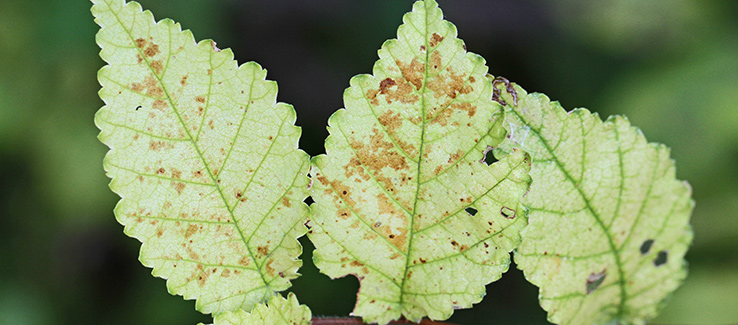
Dutch elm disease is a devastating plant disease primarily caused by the fungi Ophiostoma ulmi and Ophiostoma novo-ulmi, with the latter being more prevalent and aggressive. These fungi block the tree’s xylem, impairing its ability to transport water and nutrients, leading to wilting and eventual tree death. Infected trees initially show signs of wilting or ‘flagging’ in their upper branches, with affected leaves changing color and becoming brittle, ultimately resulting in a diseased tree. Dying elms are significant contributors to this issue. Ophiostoma species are significant contributors to this issue.
As the disease progresses, vascular discoloration appears as brown rings in the sapwood of wilted branches and brown leaves. Symptoms typically start appearing in late spring or early summer, but can occur at any time during the growth period. The rapid spread and aggressive nature of the DED fungi make early detection and intervention critical, as leaves may turn brown.
The proliferation of the fungus triggers the production of tyloses, which further block the xylem and hasten the tree’s decline. Understanding these mechanisms is vital for implementing effective management strategies in plant pathology. Recognizing early symptoms and understanding the disease’s progression enables timely actions to save infected trees and protect healthy ones.
The Role of Elm Bark Beetles
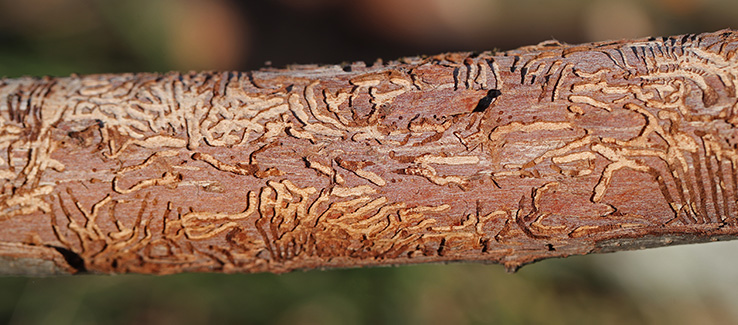
Elm bark beetles, specifically the native elm bark beetle and the smaller European elm bark beetle, play a crucial role in the spread of Dutch elm disease fungus. These beetles breed by laying their eggs under the bark of dying or dead trees, creating breeding grounds. As the larvae grow, they produce sticky spores of the DED fungus within their feeding galleries. When adult beetles emerge, they carry spores to healthy trees, initiating new infections in various elm species.
The native elm bark beetles primarily infect larger branches, while the smaller European elm bark beetles target twig crotches. This distinction means that different parts of the tree can be susceptible depending on which beetle is present. The feeding habits of these beetles cause direct infections, as they introduce the fungal spores into the tree’s vascular system.
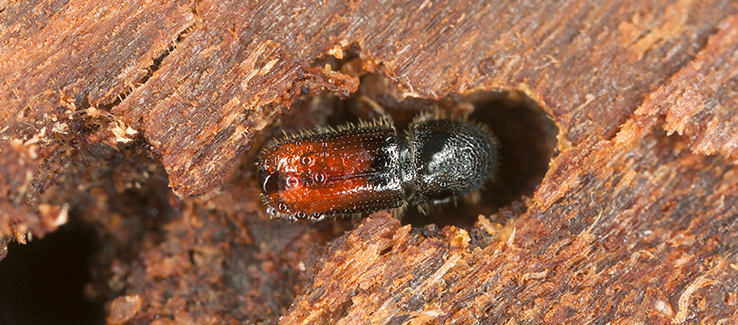
Controlling beetle populations is key to managing DED spread. Understanding their lifecycle and habits, including beetle feeding, allows for targeted strategies to reduce their numbers and prevent new infections. This includes treating infected trees, removing breeding sites, and effectively using insecticides.
Root Grafts and Disease Spread
Root grafts, formed when the root systems of adjacent elm trees naturally fuse, are another significant pathway for the spread of Dutch elm disease. These connections allow the disease to move directly from an infected tree to a healthy one, bypassing the need for beetle transmission. The existence and closeness of elm trees influence the frequency of root grafts, making densely planted areas particularly vulnerable.
The transmission of DED through root grafts is especially concerning when infected trees are within 35 to 50 feet of healthy elms. Effective management must include strategies to sever these root connections to prevent further spread. Understanding the role of root grafts in disease transmission allows for proactive measures to protect nearby healthy elms.
Identifying Symptoms in Elm Trees
Early identification of DED symptoms is crucial for timely intervention. The initial signs include yellowing and wilting leaves, often starting in the upper branches. As the disease progresses, brown streaking can be observed in the sapwood when the bark is peeled back from affected branches. Monitoring these symptoms allows for early detection and the potential to save the tree through prompt action.
Pruning infected branches as soon as symptoms are detected significantly increases the chances of saving the tree. It is recommended to prune at least 10 to 15 feet below any visible signs of discoloration, including dying branches. Effective pruning can save about portion of the trees if done promptly, especially when less than 5% of the crown shows wilting symptoms. Regular monitoring and immediate response are highlighted as important.
Effective Sanitation Practices
Sanitation practices are essential to control the spread of Dutch elm disease. Infected trees must be removed swiftly to prevent the disease from spreading to nearby healthy trees. Delaying removal can result in further infections, making it crucial to act quickly.
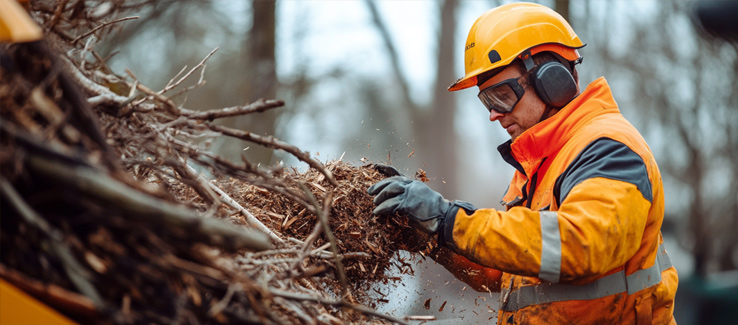
All elm wood from infected trees must be chipped or completely debarked and buried to prevent beetles from breeding in the infested wood. Insecticides can serve as an alternative to wood destruction methods by effectively controlling beetle populations in infected wood.
Such practices are vital for maintaining a healthy tree population and preventing DED spread.
Preventing Root Graft Transmission
Preventing the spread of Dutch elm disease through root grafts involves severing the root connections between infected and healthy trees. This can be achieved by digging a trench 36 to 40 inches deep around infected elms using mechanical trenching machines or a vibratory plow. The trench must fully encircle the diseased trees to disrupt root connections effectively.
After trenching, refilling the trench, and promptly removing any diseased elm trees from the area is crucial. This method helps prevent the disease’s underground spread, protecting nearby healthy elms and maintaining the integrity of the tree population.
Pruning Techniques for Infected Trees
Managing infected elm trees requires proper pruning techniques. The recommended height for pruning diseased trees is 10 to 15 feet below the infection site. It is important to examine the entire circumference of the branch when pruning to ensure complete removal of the infected wood.
Tools used on elm trees should be disinfected before and after pruning to avoid fungal contamination. Additionally, pruning should be restricted from April 15 to October 15 to minimize the risk of attracting elm bark beetles.
These practices help manage the disease and improve the chances of saving susceptible trees and infected trees.
Utilizing Insecticides
Insecticides play a crucial role in controlling elm bark beetle populations and reducing the spread of Dutch elm disease. Chlorpyrifos is highly effective in eliminating nearly all broods of elm bark beetles and preventing new infestations when applied correctly. Methoxychlor can repel elm bark beetles, reducing twig feeding damage.
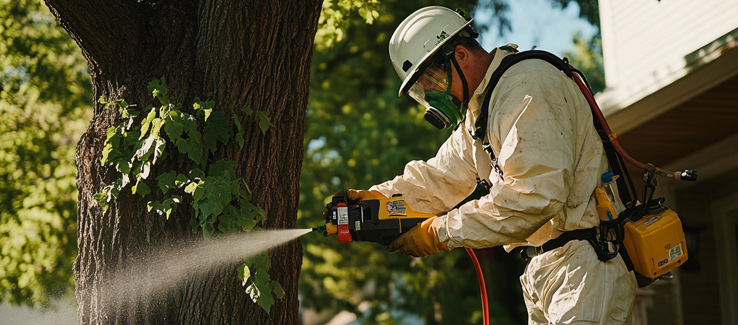
While less effective than chlorpyrifos, Carbaryl and methoxychlor can still be utilized for controlling beetle broods, but may not provide complete protection. The timing of insecticide applications, specifically in early spring and fall, is crucial for maintaining effective control of elm bark beetles. A thorough sanitation program is necessary to complement insecticide use and ensure the reduction of beetle populations.
Applying Fungicide Injections
Fungicide injections are an effective method to protect elm trees from Dutch elm disease. Thiabendazole and propiconazole are two fungicides that can be administered directly into the tree to prevent infection. Only certified arborists should perform these injections to ensure proper application and effectiveness.
Reapplication of fungicides is needed every one to three years, depending on the formulation used. These injections help prevent the infection of healthy leaves by DED fungi, providing an additional layer of protection for elm trees.
Planting Resistant Elm Varieties
Planting disease-resistant elm varieties is a proactive strategy for combating Dutch elm disease. Resistant species include Siberian elm, Chinese elm, and several American elm cultivars like Princeton and St. Croix. Hybrid elms, such as Accolade™, and certain American elms are specifically bred to resist both DED and pests.
Inoculation trials on selected elm varieties have shown promising disease resistance, indicating potential for future breeding of susceptible species. Planting these resistant varieties helps maintain healthy urban forests and mitigate the impact of Dutch elm disease.
Distribution of Dutch Elm Disease
Dutch elm disease is widely distributed. It affects areas in the UK, continental Europe, North West Europe, North America, and New Zealand. The Dutch elm disease was first identified in Europe in 1910 and has since spread to nearly every country except Greece and Finland. In North America, DED arrived in 1928 through elm wood imports, leading to the loss of approximately 75% of the elm population. The spread of the Dutch elm disease has had a significant impact on these regions.
In New Zealand, Dutch elm disease was detected in the Auckland region in 1989, with a major outbreak occurring in 2013. Understanding the geographical spread of DED helps in developing targeted management strategies for affected areas.
Managing Diseased Trees in Urban Areas
Managing diseased trees in urban areas requires a combination of community education and proactive measures. In Toronto, it is estimated that 80% of elm trees have succumbed to Dutch elm disease, highlighting the need for effective management strategies. Community education plays a crucial role in the early identification and management of DED.
Local authorities in the UK can take action to remove and destroy infected elms as part of efforts to control the disease. These combined efforts help to reduce the impact of DED in urban settings and preserve the health of remaining elm trees.
Research and Future Directions
Current research efforts are focused on identifying and breeding resistant genetic variants to restore large elm trees, including the English elm and Ulmus americana. Hybrids of Asiatic elms and American elms are notable contributions to breeding disease-resistant elms, including mature elms. The Conservation Foundation is working on breeding resistant elm trees in Britain.
Future directions include developing fungicides, tree vaccines, and resistant cultivars to combat Dutch elm disease. Continued research and innovation are essential for overcoming the challenges posed by DED and ensuring the survival of elm populations.
Dutch Elm Summary
Combating Dutch elm disease requires a multifaceted approach, from understanding the disease and the insects that spread it to implementing effective sanitation practices and planting resistant elm varieties.
By staying informed and proactive, we can protect our elm trees and preserve the beauty and ecological benefits they provide. Let us commit to the fight against Dutch elm disease and work together to ensure the health and longevity of our elm populations.
Frequently Asked Questions
What causes Dutch elm disease?
Dutch elm disease is caused by the fungi Ophiostoma ulmi and Ophiostoma novo-ulmi, with the latter being the more aggressive strain. Understanding this can aid in preventing its spread and protecting elm trees.
How do elm bark beetles spread Dutch elm disease?
Elm bark beetles spread Dutch elm disease by carrying spores of the fungus and transmitting them while they feed on healthy elm trees. Effective management of these beetles is crucial to prevent the spread of the disease.
What are the early symptoms of Dutch elm disease?
The early symptoms of Dutch elm disease are yellowing, wilting leaves, and flagging in the upper branches. Recognizing these signs is essential for effective management.
How can fungicide injections help in managing Dutch elm disease?
Fungicide injections effectively manage Dutch elm disease by delivering fungicides directly into the tree, providing targeted protection against infection. This proactive approach helps preserve tree health and prevent the spread of the disease.
Are there any resistant elm varieties that can be planted to combat Dutch elm disease?
Yes, resistant varieties such as Siberian elm, Chinese elm, and specific American elm cultivars like Princeton and St. Croix can be successfully planted to combat Dutch elm disease. These options provide a viable solution for those looking to maintain healthy elm populations.
(404) 220-9963
To view the orignal version of this post, visit: https://www.fasttreeremovalatlanta.com/managing-dutch-elm-disease

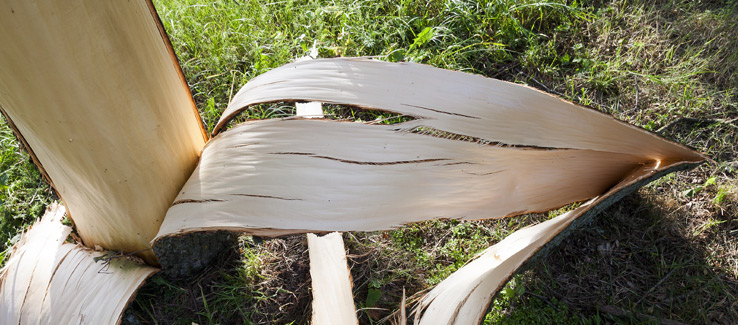 Tree damage can occur as a result of a number of things. At