Fast Tree Removal Services Atlanta

Showing posts with label Pine Tree. Show all posts

Sunday, August 31, 2025

Pine Wilt Disease

Pine wilt disease can kill pine trees within weeks, posing a serious threat to forests and landscapes. This article explains how to identify the disease, the organisms responsible, and the most effective strategies for managing and preventing it.
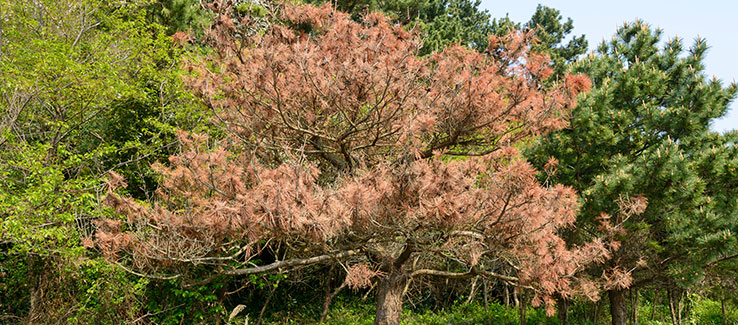
pine wilt disease

Key Takeaways

  • Early recognition of pine wilt disease symptoms, such as needle discoloration and lack of oleoresin flow, is crucial for effective management.
  • Pinewood nematodes, transmitted by pine sawyer beetles, play a central role in the disease’s progression by obstructing the tree’s vascular system.
  • Implementing a combination of tree removal, chemical treatments, and planting resistant species can significantly mitigate the impact of pine wilt disease on forestry and landscapes.

Recognizing Pine Wilt Disease Symptoms

The early signs of pine wilt disease can be subtle, but recognizing them is the first step in managing this destructive condition. One of the primary symptoms of pine wilt is the discoloration of needles. Infected pine trees will exhibit needles that turn brown, become brittle, and eventually die. This transformation often begins at the top of the tree and moves downward, with the first noticeable symptoms typically appearing in midsummer, around July, when warm temperatures accelerate the disease’s progression.
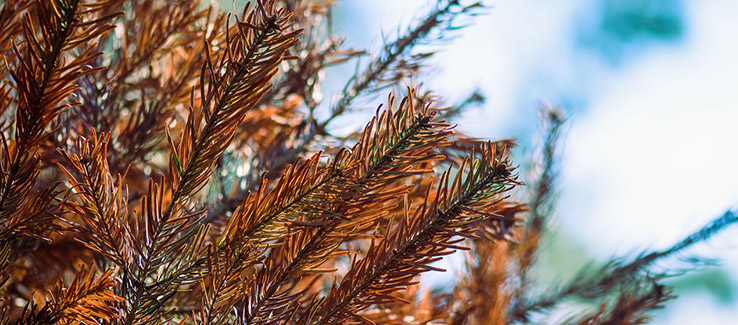
brown pine tree needles, symptoms of dying pine wilt disease

Different pine species show varying degrees of susceptibility to pine wilt. Scots pines, for instance, are particularly vulnerable to this disease, as are many exotic pine species. As the disease progresses, the entire tree may show signs of decline, including blue stain symptoms in the wood, which is a clear indicator of wilt pine.

The visible decline in tree health is often accompanied by the cessation of oleoresin excretion from wounds, an early sign of stress in infected trees. This lack of resin flow is a critical indicator of pine wilt disease, even before the more apparent symptoms become visible.

Early recognition of these symptoms significantly aids in managing and controlling pine wilt. Timely intervention can halt the disease’s spread, preserving the health and beauty of pine forests and landscapes.

The Role of Pinewood Nematodes

The pinewood nematode, Bursaphelenchus xylophilus, is the primary culprit behind pine wilt disease. These tiny nematodes, have a complex lifecycle that includes both free-living and parasitic stages. Their ability to reproduce rapidly leads to large populations that can quickly overwhelm a host tree.

Once inside the tree, pinewood nematodes clog the vascular system, blocking the flow of water and nutrients. As they feed on the tree’s tissues, the water-conducting system fails, causing rapid wilting. This process is further influenced by microbial communities within the tree, which can either enhance or hinder the nematodes’ survival and activity.

Research has shown that the life cycle of the pinewood nematode is intricately linked to its vector, the pine sawyer beetle, and the host pine tree. The microbial communities within the tree play a crucial role in the disease dynamics, with certain bacteria potentially altering the pathogenic potential of the nematodes. This relationship highlights the complexity of managing pine wilt disease, as it involves not only the nematodes themselves but also their interactions with other organisms.

Understanding the role of pinewood nematodes in pine wilt development is crucial for developing effective control strategies. Disrupting their lifecycle and interactions can better safeguard pine trees from this devastating disease.

Pine Sawyer Beetles: Key Vectors
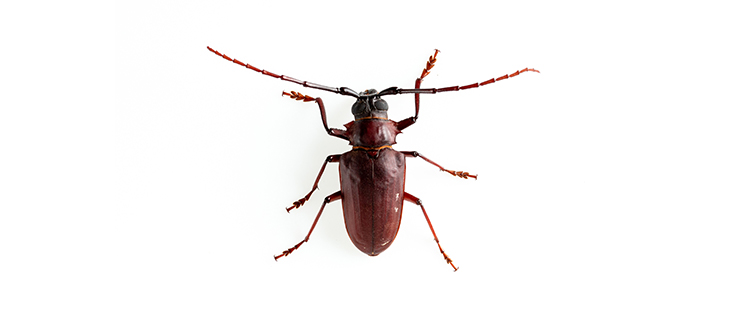
pine sawyer beetle

Pine sawyer beetles are the primary insect vector for pinewood nematodes, making them key players in the spread of pine wilt disease. Key facts about these beetles include:

  • They belong to the genus Monochamus spp.
  • Their lifecycle typically spans 50 to 60 days.
  • The peak flight period occurs from the last week of August to mid-September, which is a critical time for the spread of pine wilt. Insect vectors play a significant role in this process.

Adult pine sawyer beetles and bark beetles feed on the bark of stressed, dying, or recently dead pine trees, creating wounds that serve as entry points for pinewood nematodes. The larvae of these wood-boring beetles further damage the trees by creating distinctive U-shaped tunnels inside the wood, which facilitates the spread of nematodes. This dual assault by both the adult beetles and the nematodes can quickly lead to tree death.

Recognizing the role of pine sawyer beetles in spreading pine wilt is crucial for effective disease management. Controlling these beetles through the timely removal of infected trees and the use of insecticides forms a key part of a comprehensive pine wilt prevention plan.

Diagnosing Infected Trees

Diagnosing pine wilt disease in infected trees involves a combination of visual inspection and microscopic examination. Symptoms typically manifest between early summer and late summer, with affected trees often displaying a reddish-brown coloration on their needles, which remain attached for months after the tree has died. This persistence of dead needles can complicate the diagnosis, making it essential to look for other signs.

One of the earliest indicators of stress in an infected tree is the cessation of oleoresin excretion from wounds. This lack of resin flow often precedes visible symptoms, providing an early warning sign of pine wilt. Initially, the tree may appear healthy, but the absence of resin flow is a critical indicator that something is amiss.

The presence of blue stain fungi in the wood is another useful clue when diagnosing pine wilt. These fungi, often found in conjunction with pinewood nematodes, are a telltale sign of infection. Confirming the presence of pinewood nematodes usually requires microscopic examination, as these tiny organisms are not visible to the naked eye.

Accurate diagnosis is crucial for effectively managing pine wilt disease. Early detection enables prompt actions, such as removing and destroying infected trees, thereby preventing the disease from spreading to healthy trees.

Control Measures for Pine Wilt Disease
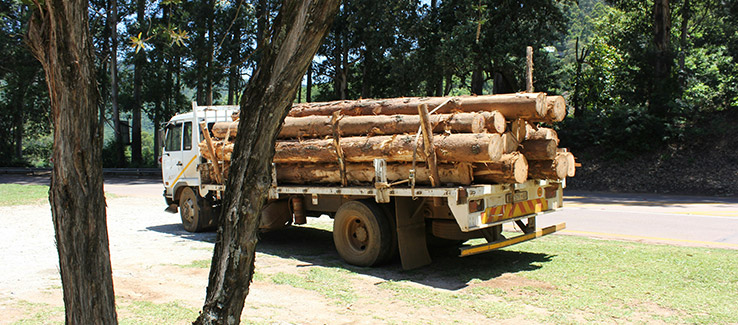
removal of infested pine trees

Controlling pine wilt disease effectively demands a multifaceted approach. A primary strategy is to remove and destroy infected trees to prevent further spread. Trees confirmed with pine wilt should be chipped, burned, or buried appropriately. Trees killed by pine wilt need removal during late summer or fall before pine Sawyer beetles emerge.

Chemical injections using compounds such as abamectin and emamectin benzoate are also used for pine wilt disease prevention. These injections must be completed by early May, before the emergence of pine sawyer beetles, to ensure adequate protection. Applying abamectin every two years, as recommended by a certified arborist, can significantly reduce the risk of infection.

Environmental conditions, including temperature and humidity, greatly influence the survival and reproduction of pinewood nematodes. Monitoring these factors can help predict and manage outbreaks. Quarantines for infected areas can also help prevent the further spread of pine wilt disease.

To minimize the risk of pine wilt disease and nematode transmission:

  • Treat wood from infected trees with appropriate methods.
  • Maintain tree health through proper watering.
  • Reduce turf competition around trees.
  • Avoid high tree density by practicing strategic planting, as dense planting can facilitate the spread of diseases.

Stakeholders must continue to monitor and report any sightings of pine wilt disease to ensure early detection and effective management. Healthy trees can be treated with insecticides and preventative injections to reduce the risk of pine wilt infection.

Selecting Resistant Pine Species

Selecting resistant pine species is a crucial strategy in mitigating the risk of pine wilt disease. Planting varieties of pine that are less susceptible to pinewood nematodes can significantly reduce the incidence of the disease. Species like Eastern white pine and loblolly pine are recognized as more resistant to pinewood nematodes.

Among commonly planted pines, Jeffrey, pitch, and shortleaf pine exhibit resistance to pine wilt disease. These species can be excellent choices for reforestation and landscaping in areas prone to pine wilt. On the other hand, species such as Scotch pine and Austrian pine are notably more vulnerable to pine wilt, making them less suitable for planting in affected areas.

Selecting a blend of various pine species, including Japanese black pine, can help mitigate the risk of widespread pine wilt disease. This diversity can help create healthy pines and landscapes that are less susceptible to disease outbreaks.

Impact on Forestry and Landscapes
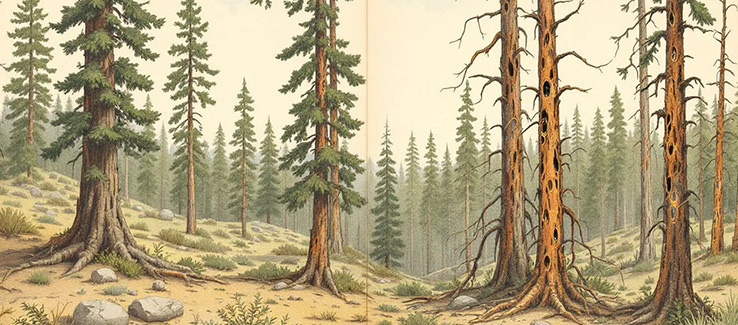
forestry landscape with both healthy and diseased trees

Pine wilt disease has a profound impact on forestry and landscapes, affecting both the health of forest trees and the composition of managed landscapes. The disease is particularly detrimental to non-native pines, such as Scots pine, which are often a key component of managed landscapes. Forestry management practices must adapt to the challenges posed by pine wilt disease and forest pathology, which in turn influence both economic and ecological outcomes.

The economic impact of pine wilt disease is significant, affecting timber production and the health of Christmas tree plantations. Urban forestry and landscape plantings are also at risk, leading to increased costs for tree removal and replacement.

The broader ecological consequences include changes in forest composition and the potential loss of biodiversity. Effective management strategies, including those implemented by the forest service, are crucial to mitigate these impacts and safeguard the health of our forests and landscapes.

The Science Behind Pine Wilt Disease

The science behind pine wilt disease involves the intricate interactions between pinewood nematodes, their vector beetles, and microbial communities within the tree. Microbial communities play a significant role in the progression of pine wilt disease, interacting intricately with pinewood nematodes.

The diversity of bacteria and fungi significantly decreases in the later life stages of the nematode populations, particularly in fourth-stage dispersal juveniles, highlighting a trend of microbial community filtering. Reduced microbial diversity as nematodes emerge can disrupt the balance of interactions essential for tree health, ultimately impacting disease progression and severity, particularly in relation to the nematode pathogen.

Grasping these complex interactions is fundamental for developing effective management strategies against pine wilt disease.

Prevention Strategies

Preventing pine wilt disease involves:

  • Community engagement in monitoring and educational efforts is crucial for early detection and effective management of the disease.
  • Proper tree care—such as regular watering, mulching, and reducing turfgrass competition around tree bases—helps trees stay healthy and more resistant to infection.
  • Strategic planting to support overall tree health and disease prevention.

Strategies to prevent pine wilt disease include:

  • Applying abamectin as a preventive treatment to significantly lower the risk in healthy trees.
  • Replacing pine species susceptible to pine wilt with deciduous trees and certain conifers.
  • Selecting resistant tree species as an effective protection strategy against the disease.

Native pines recommended for planting in areas affected by pine wilt disease include:

  • Loblolly
  • Shortleaf
  • White
  • Limber

Deciduous trees can be effective replacements for exotic pines that have been killed by pine wilt.

Pine Wilt Disease Summary

In summary, pine wilt disease poses a significant threat to pine trees, particularly to vulnerable species such as Scots pine and Austrian pine. Early recognition of symptoms, understanding the role of pinewood nematodes and pine sawyer beetles, and accurate diagnosis are crucial steps in managing this disease. Effective control measures, including the removal and destruction of infected trees, chemical injections, and strategic planting, can help mitigate the spread of pine wilt.

Selecting resistant pine species and maintaining tree health through proper care are essential prevention strategies. The broader impact on forestry and landscapes underscores the importance of proactive management and community engagement.

By understanding the science behind pine wilt disease and implementing effective prevention strategies, we can protect our pine trees and ensure they remain a vital part of our ecosystems for generations to come.
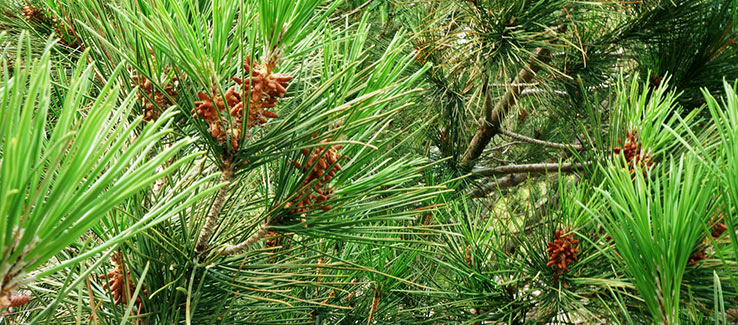
pine trees

Pine Wilt Frequently Asked Questions

What are the early signs of pine wilt disease in pine trees?

The early signs of pine wilt disease include needles turning reddish-brown, becoming brittle, and dying. This decline usually begins at the top of the tree and progresses downward in a spiral pattern. Symptoms most often appear in midsummer, when rising temperatures accelerate the disease, making prompt attention essential.

How do pinewood nematodes cause pine wilt disease?

Pinewood nematodes cause pine wilt disease by clogging the vascular system of pine trees, disrupting water flow, and leading to rapid wilting. Their feeding on the tree’s tissues ultimately results in its death.

What role do pine sawyer beetles play in the spread of pine wilt disease?

Pine sawyer beetles play a crucial role in the spread of pine wilt disease by serving as primary vectors for pinewood nematodes, which enter stressed or dying pine trees through wounds the beetles create. Their tunneling activities further facilitate the movement of nematodes within the wood.

How can pine wilt disease be effectively controlled?

To effectively control pine wilt disease, it is crucial to remove and destroy infected trees, utilize chemical injections such as abamectin, and strategically plant resistant species. Additionally, monitoring environmental conditions and implementing quarantines can further prevent the spread of the disease.

What pine species are resistant to pine wilt disease?

To effectively combat pine wilt disease, consider planting resistant species such as Eastern white pine, loblolly pine, Jeffrey pine, pitch pine, and shortleaf pine. Utilizing a mix of these native trees can significantly reduce the risk of disease proliferation.

DunwoodyGA 30338
(404) 220-9963

To view the orignal version of this post, visit: https://www.fasttreeremovalatlanta.com/pine-wilt-disease

Tuesday, March 19, 2019

Importance of Trees to the Environment

Trees in the wilderness help maintain our hospitable environment

Without trees, there’s no environment for life on earth. Every living creature is affected by the health of the world’s tree population.

Trees influence everything from the environment to our physical health. As the world’s tree population diminishes, ignorance and inaction are no longer viable options concerning our forest and urban tree population.

fasttreeremovalatlanta.com gathered information on the importance of trees in our forests and urban settings for the environment, wildlife, and human health.

Importance of Our Forests

The importance of our forests to the health of our planet cannot be overstated. One of the primary functions of trees is to consume CO2 from the atmosphere and release oxygen to it through the process of photosynthesis.

In fact, our forests are responsible for 35% of the oxygen used by the Earth’s inhabitants, soil stabilization, flood control, fresh water purification, and cooling the planet.

Forest trees play an intricate role in keeping the planet cool, by regulating the exchange of solar energy and water between the planet’s surface and atmosphere, trees are one of the planet’s most significant defense mechanisms in stopping global warming.

Of the approximately 3 trillion trees growing today, 15 billion are felled, die, or are lost in wildfires each year. If these numbers are left unaddressed, our planet will lose its last tree in roughly two hundred years. Then, slowly, all life will expire as the world becomes inhospitable.

Trees maintain a stable environment for life to prosper

Visit fasttreeremovalatlanta.com/trees-dying-all-over-the-world to read more about the plight of trees on a global scale.

Urban Tree Benefits

Trees in the urban setting are fundamental for healthy living. The following are some of the benefits from a healthy urban tree canopy:

Improved Air Quality – Besides the oxygen they produce, trees absorb and store carbon dioxide. Trees also act as a filter by trapping and holding impurities, pollutants, and dust.

Increased Property Value – Because of their aesthetic value to a property, trees create curb appeal which translates to higher property value.

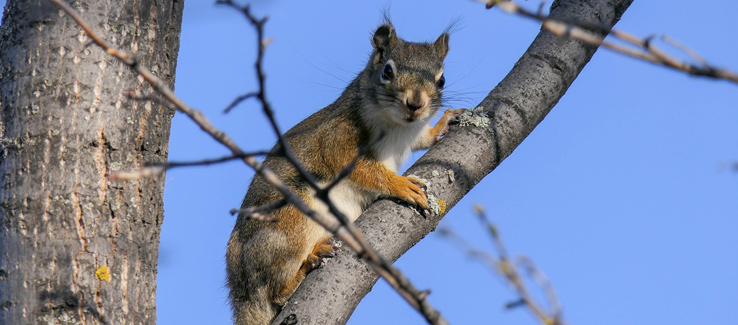
Boosted Wildlife Habitat – As squirrels, birds and other wildlife enter the urban setting, it is the trees that create microhabitats for them to seek refuge, acquire sustenance, and thrive.

Trees provide habitat and refuge to urban wildlife

Environmental Control and Regulation – Mature trees within a city efficiently absorb CO2, reduce wind speeds, moisten the air through evapotranspiration, and can significantly reduce the temperature in a city by reflecting solar energy.

Cities large and small across the nation recognize the need for a significant canopy cover and have developed or adopted tree ordinances which protect the health and population of their trees.

The most straightforward way to make a difference and improve the world you live in is to plant and care for a tree. If everyone did this annually, there would be 75 billion new trees within ten years.

Trees and the Environment

Trees are the stabilizers of the planet’s ecosystem. As forests return moisture to the air, they are fundamental in the formation of clouds, helping to regulate weather patterns, and as previously mentioned, participate in the production of breathable air for all surface life on the planet.

Trees act like scrubbers, removing pollutants from the soil and air and help purify freshwater streams and reservoirs.

As trees grow up, they also grow down. Tree roots are fundamental in the prevention of soil erosion and flooding.

While wildfires can be life-threatening and cause massive devastation, the soil left behind is carbon and nutrient rich.

Wildfires cause land disturbance which some tree species need to regenerate

It takes time, but most tree species are able to repopulate areas affected by wildfires successfully. In fact, some tree species like the quaking aspen depend on such disturbances to grow and thrive.

How Do Trees Help Birds and Animals?

Animals, insects, lichen, fungi, and even bacteria rely on trees for habitation, refuge, and food.

In both forests and urban settings, migrating species of birds will often seek out the same trees to nest in year after year. Some owls and woodpeckers will take up residence as the trees age and offer hollow spaces in their trunks for nesting.

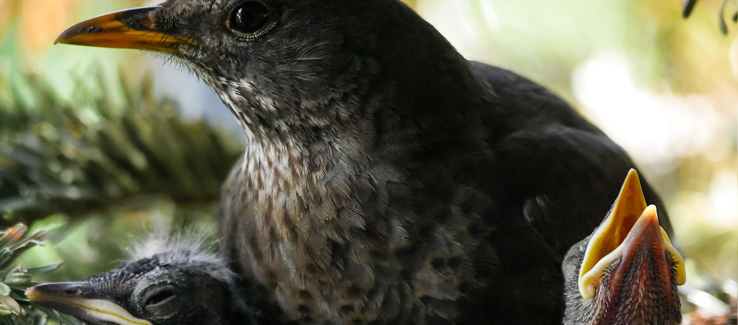
Birds and wildlife seek habitat and refuge in trees

A single mature tree is capable of sustaining several hundred different species all at once.

Health Benefits of Trees

Besides all of the amazing things trees do to help stabilize our atmosphere and make it possible for us to live, there is another side to trees that is not spoken much of in today’s society.

For several millennia, trees have been treasured by indigenous people for their medicinal values. Species like oak, pine, and birch were once highly prized for the healing qualities of the leaves, bark, roots, and sap.

Pine trees have medicinal properties used by natives for centuries

Pine trees were regularly used to:

• Improve Blood Circulation

• Improve Vision

• Improve Skin and Hair Health

• Promote Respiratory Health

• Boost the Immune System

To learn more about medicinal trees and their benefits, visit fasttreeremovalatlanta.com/4-healing-trees-your-backyard

The Importance of Trees to Mankind

The fate of all life on our planet is intertwined with the survival of our tree population. Without trees to regulate and maintain the environment, there would be no life on Earth.

In this article, you discovered the importance of trees in forest and urban settings, how they affect the environment, wildlife, and our health.

As climate change and global warming become more of a threat to our planet’s ecosystem, ignorance and inaction must be replaced by attention and care for our urban and forest tree populations to survive.

Sources:
https://www.royalparks.org.uk/parks/the-regents-park/things-to-see-and-do/gardens-and-landscapes/tree-map/why-trees-are-important
https://ucanr.edu/sites/sjcoeh/files/74156.pdf
https://www.nap.edu/read/5492/
https://news.osu.edu/forests-fight-global-warming-in-ways-more-important-than-previously-understood/
http://cuer.law.cuny.edu/?p=1839

https://plus.google.com/+Fasttreeremovalatlantaservices
Fast Tree Removal Services Atlanta
3379 Peachtree Road #555aAtlantaGA 30326
(404) 220-9965

https://plus.google.com/106668165995494593621
Fast Tree Removal Services Dunwoody
2111 Peachford CirDunwoodyGA 30338
(404) 220-9963

To view the orignal version of this post, visit: http://www.fasttreeremovalatlanta.com/importance-trees-environment

Wednesday, February 20, 2019

4 Healing Trees for Your Backyard

Medicinal birch tree for backyard landscape

If you could grow or plant a tree that helps fight cancer, would you do it? Before there was modern medicine, trees offered mankind natural remedies to ailments through their leaves, bark, roots, and sap.

Among the herbs, and vegetables you grow in your backyard, some trees should be considered. Of the many tree species with medicinal properties, there are four that stand out and offer incredible natural benefits.

fasttreeremovalatlanta.com gathered medicinal and healing property information for oak trees, pine trees, birch trees, and slippery elm trees.

Medicinal Tree Bark

For all of the trees in this article, there are many medicinal properties contained just below the bark (in a layer called the cambium). However, stripping the bark from any tree can lead to its decline in health, insect infestation, fungal infection, and death.

Removing rings of bark from around the circumference of a tree can cause girdling. Girdling is the strangulation of a tree, it occurs when nutrients can no longer flow freely through the cambium layer either by applied constant pressure (ropes and vines) or physical removal.

Healing medicinal removed tree bark girdling

To avoid girdling or the decline or death of your tree, select a branch to prune back, and use the bark from that branch.

Oak Tree Properties and Benefits

The Oak tree is a symbol of strength and endurance which has been chosen as the national tree of many countries. For as long as humans have walked the earth, oak trees have been a source of food, medicine, ceremonies, and building. Many traditions still consider the oak tree to be sacred.

Medicinal oak tree for backyard landscape

From Native Americans to European herbalists, the oak tree has been used to treat a variety afflictions such as:

• Swelling
• Dysentery
• Bleeding
• Tumors
• Poisoning Antidote

When made into a tea, oak tree bark serves as an effective diuretic, treats loose stools, ulcers, diarrhea, and can be gargled to soothe a sore throat.

When the dried inner bark is ground into a powder, it can be made into a paste by adding water, which can then be applied to the skin to treat poison ivy, burns, or wounds.

Pine Tree Properties and Benefits

The pine tree being one of the most abundant and useful tree species on our planet, is capable of providing food, medicine, and shelter.

Tea – A handful of pine needles steeped in boiling water for 5 minutes creates a tea packed with vitamin C.

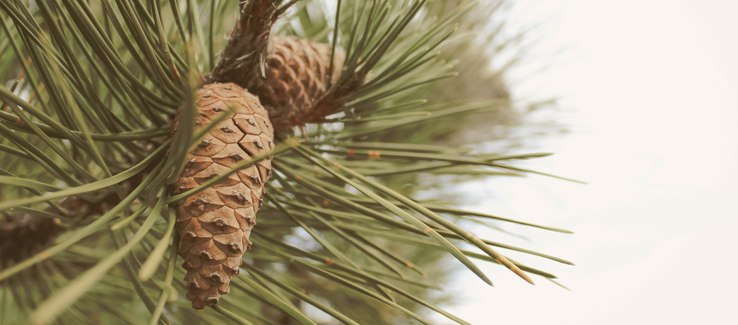
Healing pine tree for backyard landscape

While the majority of pine needles are safe to consume, the following species are poisonous and should NOT be consumed:

• Norfolk Island Pine
• Yew
• Western Yellow Pine
• Ponderosa Pine (Bull Pine)
• Blackjack Pine

Vitamins and Antioxidants – Vitamin C is an essential component of the human immune system with powerful antioxidant properties which help in the prevention of disease and chronic illness. The consumption of dried pine bark or tea from its needles provides an incredibly higher amount of vitamin C than found in any other tree species.

Other antioxidants found in pine bark and needles are carotenoids and vitamin A. This combination, when consumed can provide the following benefits:

• Promotes Respiratory Health
• Boosts the Immune System
• Improves Blood Circulation
• Helps Prevent Cataracts
• Improves Vision
• Promotes Skin and Hair Health

Pine Nuts – All varieties of pine nuts are edible. As with the bark and needles, pine nuts are packed with antioxidants, as well as being rich in healthy fats.

Healing medicinal pine tree nuts

Birch Tree Properties and Benefits

Besides being an incredibly beautiful species, birch trees with their thin papery bark and colorful canopy offer much more than an appealing aesthetic.

This species has a multitude of uses and medicinal properties that most people are unaware of. The following are some of those benefits:

Birch Leaf Tea – When birch leaves are steeped in boiling water, the resulting tea can be used to help heal sores in the mouth, and assist in the healing of gout, kidney, and bladder problems.

Birch Bark Tea – Tea made from birch bark is an excellent detoxifier which serves as a laxative helping remove waste from the body. This tea also helps relieve the pain and discomfort caused by rheumatism, helps clear up skin conditions like psoriasis and eczema, and reduce fluid retention.

Healing medicinal birch tree for backyard landscape

Birch Sap – For hundreds of years, birch sap has been consumed as a health tonic and nutritional supplement. With a taste similar to maple syrup, the consumption of birch sap presents detoxifying, cleansing, and anti-inflammatory properties.

Betulinic acid is a compound found in birch sap with anti-tumor properties which help fight specific forms of cancer.

Researchers from Romania’s Victor Babes University of Medicine and Pharmacy tested betulinic acid against cervical cancer cells, breast cancer cells, and skin cancer cells. The team was able to confirm that the compound was able to halt the growth of both skin and cervical cancer cells.

Birch Water – Made from birch sap, birch water is a slightly sweet, thin syrup-like drink loaded with vitamins, proteins, amino acids, minerals, and offers many health benefits.

Slippery Elm Tree Properties and Benefits

A relative of the popular American elm, slippery elm was not a popular selection for landscaping. This species only reach heights of 50 to 80 feet, while the tree develops a vase-like shape, it is not as eye-catching or graceful as the American elm.

Healing medicinal elm tree and leaves for backyard landscape

Slippery elm gets its name from the trees inner bark which is mucilaginous (having a viscous or gelatinous consistency). Due to its soothing properties, it was widely used:

• As a poultice to heal wounds
• As a wound dressing
• For the treatment of infected or swollen glands
• As an eye-wash for sore eyes
• To make a tea taken as a physic
• To treat sore throats
• As a laxative
• To heal coughs and bronchial ailments

Healing medicinal slippery elm tree inner bark

For tips on preparing soil or planting trees, visit fasttreeremovalatlanta.com/tree-planting-soil-considerations-care-tips

Medicinal Trees for Your Backyard

The trees you grow may keep you well. Before modern medicine, mankind had tapped into the healing power of trees and plants using remedies made from their leaves, bark, roots, and sap.

In this article, you discovered the medicinal and healing properties of oak, pine, birch, and slippery elm trees.

Planting a medicinal tree in your backyard landscape adds diversity to your yard’s ecosystem while offering year-round beauty and some natural remedies to basic ailments.

Healing medicinal elm tree for backyard landscape

Disclaimer:
All possible measures have been taken to ensure the accuracy, reliability, timeliness, and authenticity of the above information; however, fasttreeremovalatlanta.com does not take nor assume any liability. Using any of the information provided by this article is solely at the readers’ discretion. In case of any medical emergencies or persistent health issues, fasttreeremovalatlanta.com advise you to seek qualified medical attention before putting to use any advice or tips given by any third party.

Sources:
https://www.extension.iastate.edu/forestry/iowa_trees/trees/slippery_elm.html
https://news.d.umn.edu/news-center/news/amazing-birch-bark-gets-boost-0
https://www.realnatural.org/researchers-determine-that-birch-bark-extract-blocks-cervical-and-skin-cancer-growth/
https://www.ncbi.nlm.nih.gov/pubmed/24568161
https://www.frostburg.edu/fsu/assets/File/ACES/ulmus%20rubra%20-final.pdf
https://forestry.usu.edu/news/utah-forest-facts/native-american-uses-of-utah-forest-trees
http://www.bio.brandeis.edu/fieldbio/medicinal_plants/pages/White_Oak.html

https://plus.google.com/+Fasttreeremovalatlantaservices
Fast Tree Removal Services Atlanta
3379 Peachtree Road #555aAtlantaGA 30326
(404) 220-9965

https://plus.google.com/106668165995494593621
Fast Tree Removal Services Dunwoody
2111 Peachford CirDunwoodyGA 30338
(404) 220-9963

To view the orignal version of this post, visit: http://www.fasttreeremovalatlanta.com/4-healing-trees-your-backyard

Wednesday, April 18, 2018

Everything You Need to Know About Pine Trees

Pine tree with pine cones conifer in yard

Being one of the most widely spread and most varied class of North American native tree species, it is no mystery as to why pine trees are a popular choice for landscaping.

Due to how easy it is to plant, grow, and care for them, pines are one of (if not the most) valuable of the commercial timber sources. Pines are widely utilized in the making of furniture, in construction, land management, and much more.

Some of the pine species are able to grow 2-3 feet per year while remaining full and vibrant. As well, all pines are evergreen, making their appeal to home owners even greater.

In this article, Fast Tree Removal Services discusses selecting, planting, and caring for pine trees.

Pine Tree Selection and Planting Location

Selecting the right pine tree depends mostly on where it will be planted. Pines are not shade nor drought tolerant, they will need full sun and well irrigated soil to thrive and reach their full potential.

Listed below are a few of the pinus species found in abundance in the City of Atlanta and surrounding areas.

Longleaf Pine – Reaches up to 120 feet tall, with a lifespan of 400 to 500 years.

Eastern White Pine – Reaches up to 150 feet tall, with a lifespan of around 450 years.

Loblolly Pine – Reaches up to 100 feet tall, with a lifespan of 150 years.

The trunk of each of the above species can reach a diameter of 2.5 to 4 feet at maturity, and has an extensive, deep growing root system. Pine trees should not be planted within 15 to 20 feet of fences or other permanent structures, because they have the potential to cause structural damage as they grow.

Pine Tree Care and Common Diseases

Given the right conditions, there isn’t much you will need to do in the way of care for pine trees. As mentioned earlier, they are typically not shade nor drought tolerant, simply making sure that they are well irrigated and get full sun is enough for them to thrive.

Soil – The ideal soil for pine trees is “moist” not dry or wet. This can be accomplished through proper mulching. 2 to 3 inches thick beginning 6 inches from the trunk and spreading out to the edge of the canopy (at least 2 feet to keep mowers far from the trunk and roots).

Fertilizer – In the fall, pines shed old needles. Leave them there! This tree is self-propagating, and its decomposing needles naturally improve the surrounding soil. In effect, it’s FREE mulch that becomes its own fertilizing agent.

Performing a soil test annually will help you to properly fertilize your pine trees. This is an opportunity to correct the pH of the soil and further enrich it if necessary.

Water – During drought conditions, give your trees a deep watering twice a week. At these times, having proper mulching will help the soil retain moisture, thus relieving drought stress.

Under normal conditions, keep the surrounding soil moist for optimum growth and health conditions.

Why Is My Pine Tree Dying From The Bottom Up? – This is a common question which is usually the result of a pine tree drying out. As pines are not drought tolerant, the tree will let the lower branches dry out while sending moisture to the upper branches.

In a way, the tree is stalling for time, waiting for the soil to regain its moisture. You may have to adjust the watering schedule. We advise having the tree professionally evaluated to eliminate the possibility of blight or other possible stressors.

Pests And Disease – While caring for your pines is relatively simple, there are some common pests and diseases to watch for. Some of the pests that feed on and thrive in pine trees are:

  • Scale
  • Bagworms
  • Aphids
  • Mites
  • Bark Beetles

And some of the diseases that affect the tree’s appearance and health are:

  • Needlecast
  • Pine Wilt
  • Sphaeropsis Tip Blight
  • Dothistroma Needle Blight
  • Root Rot

In either case, when an infestation or disease is suspected or confirmed, fungicides and pesticides can be used to stop their progression. Calling in a professional tree service to manage these issues is best. In some cases, the only way to protect the rest of your ecosystem is to have the tree removed before the issue spreads.

How Do You Prune a Pine Tree?

Well, you don’t. Shaping, thinning, and aggressive pruning can cause irreparable damage to pine trees.

Occasionally, there will be a situation of abnormal growth, disease, or storm damage which will require pruning. There may eventually be a necessity for crown thinning or crown cleaning. In any of these cases, an arborist or tree professional should be called in to assess the situation and properly execute the required treatment.

Improper pruning, cutting, thinning, or shaping of pine trees (besides causing serious damage) will leave them vulnerable to fungi and infestation.

Pine Trees and Your Landscape

Mature Pine trees in Atlanta Georgia front yard by home

With the right conditions (moist fertile soil and sunlight), adding pine trees to your landscape will provide a significant boost to your ecosystem. Pines grow very fast, they are aromatic, and attract a range of wildlife.

Of the members of your yard’s ecosystem, your pines will likely require the least amount of attention and care. When planting them, be aware that they should not be within 15 to 20 feet of any structure, walkway, driveway, or they will damage, crack, or buckle the concrete.

It is also worth mentioning that once you have a healthy pine tree growing in your yard, you also have a permanent festive outdoor Christmas tree to decorate for the holiday season (at least for a few years).

https://plus.google.com/+Fasttreeremovalatlantaservices

Fast Tree Removal Services Atlanta
3379 Peachtree Road #555a, Atlanta, GA 30326
(404) 220-9965

To view the orignal version of this post, visit: www.fasttreeremovalatlanta.com/everything-need-know-pine-trees