Fast Tree Removal Services Atlanta

Showing posts with label Deciduous Trees. Show all posts

Tuesday, October 9, 2018

How to Protect Trees in Winter

Winter tree protection Atlanta Ga

Summer is over and with it goes the growing season for trees. As cold weather quickly approaches, now is the time to help your trees prepare for the winter months.

By lending a hand to your trees in the fall, they will suffer less winter damage, making them more resistant to disease and infestation in the spring and summer months ahead.

fasttreeremovalatlanta.com gathered essential information and tips for both evergreen and deciduous winter tree care, including information on dormancy, deep watering, tree wrapping, pruning, and other preparations for the coming winter season.

Deep Water Your Trees in the Fall

All of your tree’s roots are on a continual march to supply water and nutrients to the tree above. They can spread 2 to 3 times the size of the canopy, and given the right soil and moisture conditions, they will grow very deep.

During the fall months, those same roots begin collecting and storing water for the coming winter months when water is often unavailable or unable to penetrate the ground.
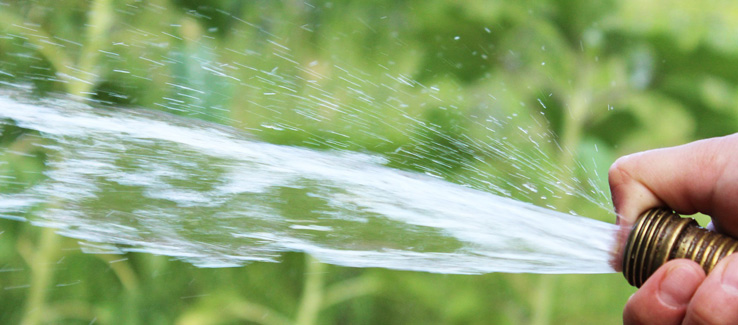
Winter tree watering Atlanta Georgia

Throughout fall and right up to the first freeze, give your trees a weekly deep watering. Deep waterings are generally defined as allowing enough water flow to saturate the top eight to ten inches of soil.

Mulching Protects Roots from Dying

Mulching is beneficial in many ways. It naturally curbs the growth of weeds, adds nutrients to the ground as it decomposes, and more importantly helps the soil maintain warmth and moisture.

Fall is the perfect time to mulch your trees with a 3 to four-inch layer of organic mulch start at the base of the tree (without covering the root flare) and extending to the tree’s dripline. If there is an existing layer of matted mulch, it should be fluffed or removed before adding another layer.

The combination of deep watering with proper mulching is one of the most significant advantages you can offer your tree in its fight to remain healthy.

Dormancy Is How Trees Prepare Themselves for Winter

Sometime back in mid to late summer, your trees stopped growing. They naturally did this to allow their new growth time to mature or “harden” before winter.

As temperatures begin to fall, another internal trigger is about to go off. The leaves of deciduous trees will start to change color and eventually drop to the ground signaling their entry into dormancy.

Fall leaves before winter tree dormancy Atlanta Ga

While evergreens do not lose all of their foliage, they do slow down during winter months and will benefit just as much from your fall assistance.

Tree Pruning During Dormancy

The safest time of year to prune your trees is in late fall once your trees have gone dormant. Pruning at this time allows you to remove unwanted, damaged, or dead growth while encouraging future spring growth.

As the threat of insect infestation and fungal infections are significantly reduced in late fall, your biggest concern is making sure that the cuts are made properly so the tree can compartmentalize the wound and heal itself quickly.

Read Ideal Times for Tree Pruning, Cutting and Emergency Tree Removal then watch this video to see how a proper pruning cut is made.

Winter Protection for Young Trees

Recently planted trees, especially those that are not native to your region require special attention. As it may take a tree several seasons to acclimate itself to its location, the following should be done to protect it from winter elements.

Deep watering through the fall
Mulching from the trunk’s root flare to the dripline
Trunk wrapping
Wrapping trees in burlap

Burlap coverings are placed around evergreen shrubs and trees in the winter to protect them from the sun and wind. A frame or stakes should be used to prevent as much contact with the foliage as possible.

Read 3 Tips for Young Trees – Pruning, Tree Care and Protection then watch this video to see how easy it is to apply trunk wrapping.

People Also Ask

Q: Should I Water New Trees in Winter?
A1: Yes – during mild or extremely dry winters. Deep watering once a month will help get moisture to the roots.
A2: No – if the ground is frozen or there’s significant moisture or snowfall.

Q: Why do you wrap a tree in burlap?
A: Burlap effectively protects plants from winter burn which is a combination of direct sunlight, wind, and low soil moisture. Burlap allows the tree to breathe and doesn’t trap heat which makes it much more desirable than plastic or other materials.

Q: Can a tree freeze to death?
A: Yes. But very unlikely. While half of a tree’s mass is water, trees won’t entirely freeze. Trees alter their living cell membranes to be more pliable, allowing water to evacuate the cells and rest between them.

Protecting Trees in Winter

As this winter season and dormancy approach, knowing how to water, prune, wrap, and protect your trees will help them emerge stronger and healthier in the spring.

Winter protection for trees in Atlanta Georgia

In this article, you’ve learned about deep watering in the fall, and how mulching preserves warmth and moisture for roots. Also covered was when and how pruning should take place, how to protect young trees, and some of the common questions other tree owners are asking.

By leaving a tree to fend for itself during the winter months, you are risking the decline of its health, infestation, illness, and ultimately, its death. Dead, dying, or weakened trees may fall at any time posing a tremendous risk to your property and to your physical safety.

https://plus.google.com/+Fasttreeremovalatlantaservices

Fast Tree Removal Services Atlanta
3379 Peachtree Road #555a, Atlanta, GA 30326
(404) 220-9965

To view the orignal version of this post, visit: http://www.fasttreeremovalatlanta.com/how-to-protect-trees-in-winter

Tuesday, May 15, 2018

Tree Planting – Location, Landscape, and the Right Species

Planting a tree in Atlanta Ga backyard landscape

Planting a tree is much more than digging a hole, putting a tree in it, and waiting for it to grow. Such a premise is ideal, but your plans may have to change if your desired species requires certain soil or weather conditions.

In this fasttreeremovalatlanta.com article, you will discover how to choose the right planting location, provide the right soil content for your tree, and how determine which species is right for your unique ecosystem.

Choosing a Tree Planting Location

You shouldn’t walk out and arbitrarily say “I’m going to plant a tree right here!” Instead, you are going to want to select two or three potential locations. Front yard, back yard, or property line, they all can work if the conditions are right.

So, once you’ve made your location selections, the following guideline will help you determine which and whether they are conducive to plant in.

Assessing Landscape and Structural Issues

Depending on the species, over half of a trees’ mass can be in its roots. The majority of them remain from 6in to 18in from the top of the soil. Some of the roots run deep, which is our first point to discuss.

Tree planting location Atlanta Ga landscape design

As a tree will send some of its roots deep into the soil, it is important to know what is hidden or buried in the soil. Many cities have a “Call Before You Dig” program. In areas where this is not available, utility companies will generally send a technician to help you assess the situation.

Some of the things you are looking for are underground and will be color coded if uncovered. If any of the following run where you would like to dig, it is advisable that you move on to the next location. The color coding system and its respective utilities were developed by the American Public Works Association and are as follows:

Red – Power Lines, Cables, Conduits and Lighting Cables
Orange – Telecommunications, Alarm Lines, Cable and Internet Service Lines
Yellow – Natural Gas Lines and Other Gaseous or Flammable Material
Green – Sewer and Drain Lines
Blue – Water Main (Drinking Water)
Purple – Reclaimed Water
Pink – Unknown/Unidentified Utilities
White – Digging/Excavation limit or Route

Above ground, you will have to decide on the tree location after taking into consideration the surrounding structures and proximity of the following:

  • Your home
  • Sheds or other structures
  • Fences
  • Driveways
  • Paved walkways or sidewalks
  • Overhead power lines

Remember the following two principle aspects of tree growth as you narrow down the search for the right location.

What You See – As a tree grows, it gets taller, the canopy spreads, and the trunk thickens. In order for a tree to reach its growth potential, you will want to make sure there is nothing obstructing its growth path in all four directions.

What You Don’t See – As that same tree is growing upward, there’s a lot going on beneath the ground. Tree roots are on a constant mission to supply water and nutrients to the tree. They will often times spread 2 to 3 times the size of the canopy, and under the right conditions will grow very deep.

It is the spreading of the roots that will lead them underneath a home’s foundation or a driveway. As they mature and thicken, they will exert an upward pressure, potentially raising, breaking, or buckling whatever property or structure is above them.

Keep in mind that once roots establish themselves underneath a driveway or foundation, that structure becomes a part of the trees’ support system. Thus, the removal of that structure could create an imbalance and eventually cause the tree to fall.

Soil, Temperature and Wind

The other factors that are often overlooked have to do with the soil itself and the weather. Not all trees are suited for all soil types, and not all trees can handle freezing temperatures.

Soil condition for tree planting Atlanta Georgia landscape

Soil – If the soil is compacted, take steps to aerate it, or turn mulch into it (this will help with drainage as well). Perform a soil test to determine if you have a need for fertilizer or other soil amendment.

Temperature – Before selecting a tree to plant, know which of the 10 USDA Hardiness Zones you are in. These 10 zones are mapped out based on the average annual winter temperature low. Plants, shrubs, and trees all have more potential to thrive within their designated zone.

Wind – If you live in an area that is prone to high winds or susceptible to severe weather, it should play an important role in your decision making for the location and species you will plant. In this scenario, you would probably be more successful with a shorter species located in a semi-protected area.

NOTE: Consider planting hedges and shrubs near the tree. They serve well to absorb and often divert the force of strong winds.

Tree Selection

Now that you have decided on a safe location and verified the soil, it’s time to choose the tree. Below are a few of the things to take into consideration during the selection process:

Evergreen and deciduous trees in winter landscape Atlanta Ga

Evergreen or Deciduous – Evergreens like pine trees, allspice, and palm trees have little loss of foliage and typically stay green all year. Deciduous trees, such as oak, elm, or maple will lose their leaves in the fall and remain dormant through the winter until spring.

Understory or Overstory – Think of it this way, overstory trees like pine trees or elm trees can grow to great height 80 to 100ft. In a jungle, overstory trees are the ones you see from the air looking down. Understory trees are those that grow in the shade of the overstory trees. They will be shorter by nature, still with the potential to reach 20 to 40ft in height. Dogwood, crabapple and magnolias are typical understory trees.

Planting flowering trees in Atlanta Ga landscape

Flowering or Fruit Bearing – Many species of trees will flower at a specific time of year, like magnolias, cherry or dogwood, and this will attract both birds and insects to your yard or landscape.

Planting fruit bearing trees Atlanta Georgia landscape

Fruit trees like apple, mango, fig, lemon, orange, and cherry are also a great option, they will offer annual rewards for your care and attention.

In all of the above options, it is extremely important that these trees be planted in areas that they are adapted to. Use the USDA Hardiness Zone Map before make a final decision on which species are most conducive to plant.

Planting the Right Tree in The Right Place

Armed with the above information, you should be ready to get your tree planted. It is important however to never take for granted that you are adding a living and growing entity to your landscape. Under the right conditions, trees can grow quite large and become very heavy.

Over time, your tree will need to be pruned, trimmed, or even have the crown thinned. The proper watering, fertilizing, and care of your tree will support it in fighting off disease and infestation. Bringing out a reputable tree service for an annual inspection will also serve to prevent any unforeseen issues your tree may experience.

The best way to ensure the long-term health of a newly planted tree begins with your getting the right tree in the right location. To avoid wasting money or energy, do your due diligence, and choose the right trees for the right environment.

For other tree planting tips, take a look at fasttreeremovalatlanta.com/tree-planting-soil-considerations-care-tips

https://plus.google.com/+Fasttreeremovalatlantaservices

Fast Tree Removal Services Atlanta
3379 Peachtree Road #555a, Atlanta, GA 30326
(404) 220-9965

To view the orignal version of this post, visit: http://www.fasttreeremovalatlanta.com/tree-planting-location-landscape-species