
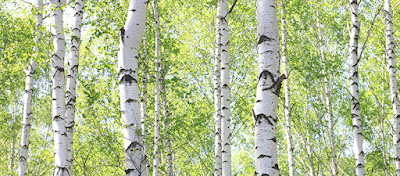
Don’t let your river birch tree decline and die from your lack of knowledge about its species’ needs and warning signs. Understanding how to plant and properly care for a river birch tree will help you keep it thriving throughout its maturity.
fasttreeremovalatlanta.com gathered essential species, planting, and care information for the majestic river birch tree species.
River Birch Tree Description
River birch is a native deciduous, flowering tree with cinnamon-brown, exfoliating bark and showy yellow fall foliage that typically drops off early and quickly. This species is the only native birch that thrives in lower southern elevations. Betula is Latin for birch and represents a genus of approximately 60 species found in gardens and landscapes throughout the northern hemisphere.
River Birch Tree Information
The river birch, black birch, or water birch are varied names for one birch species native to the Eastern United States from New Hampshire west to southern Minnesota, south to northern Florida, and west to Texas. River birch’s popularity is partially attributed to the year-round peeling or exfoliating two-toned bark.
Species – Betula nigra
Common Names – Black Birch, Red Birch, River Birch, and Water Birch
Hardiness Zone – This tree species thrives in USDA zones 4 through 9.
Preferred Soil – River birch grows well in acidic, loamy, moist, sandy, well-drained, wet, and clay soils. The species will tolerate moderate flooding and some drought.
Sun – Full sun and partial shade are ideal for this tree, preferring a minimum of four hours of direct, unfiltered, daily sunlight.
Water Needs – Unless the tree is situated in soggy soil, it should be deep-watered for two to three hours weekly to keep the soil around the tree moist. This tree requires damp soil and will visibly suffer during drought.
Fertilizer Requirements – A river birch should not require any fertilizer unless there is an emergent issue with the soil needing balancing. If you must fertilize birch trees, keep in mind that fertilizing in late fall or early spring will promote healthy new growth during the growing period in spring and early summer. Fertilizer should cover all soil covering the root system, which is typically shallow, extending beneath the entire canopy.
Growth Rate – This tree species typically grows at a medium to fast rate, with annual height increases from 1 to more than 2 feet.
Size at Maturity – A river birch will grow to a height of 40 to 70 feet and a spread of 40 to 60 feet at maturity.
Lifespan – Birches can be short-lived trees that typically live between 75 to 100 years. But it is not uncommon for birch trees (the white-barked varieties) to die before reaching 20 years.
Birch Tree Pruning
The best times to prune river birch are late spring, fall, and winter. Pruning in the spring before the first leaves emerge will cause the tree to lose sap, and fresh pruning cuts can attract birch borers in the summer.
Make Cuts Outside the Branch Collar – The branch collar is the swollen area at the branch’s base (where it connects to the trunk). Trimming branches down to the branch collar will hurt the main trunk causing severe damage to vital growth/recovery tissues.
Shorten large or heavy branches by cutting them back to a lateral branch or bud
Always make angled cuts (this encourages growth)
Keep the Tree’s Crown Full – Never remove more than one-third of the tree’s canopy in a single season. The tree depends on a full, healthy crown to create food from photosynthesis and grow healthy roots.
Prune with a Purpose – Pruning branches from mature trees removes significant weight from the tree and can drastically alter its shape. It is crucial to consider which branches you will trim before making the cut. Pruning branches from mature trees should only be done for specific purposes:
- Removing dead, diseased, or damaged branches
- Remove branches to promote more sunlight and airflow within the tree’s canopy. (avoid “over-thinning“ the canopy)
Allow Your Tree to Heal – After pruning your birch tree’s branches, leave the wound alone to let the tree seal itself in the open air.
Note: Prune carefully to not injure the tree excessively, and make sure the tree has plenty of water.
Tip: Trees naturally seal cuts. It is not necessary to apply sealants (this can trap microorganisms inside the tree and lead to severe disease threats).

Birch Tree Disease Threats
River birch has very few insect or disease problems but can be adversely affected by the following:
Root Rot and Wood Decay – Caused by Armillaria fungus, root rot destroys river birch’s inner tissues, especially the major roots and lower portion of the trunk. Watch for stunted or prematurely falling foliage. Branches at the canopy’s top may begin dying before lower areas.
Anthracnose – This is a common fungal disease affecting multiple deciduous and evergreen trees, including the river birch. The fungus causing anthracnose requires water and does not spread during dry or drought conditions. This means anthracnose generally occurs during wet weather. The first signs of anthracnose are black-colored spots on the tree’s foliage and distorting or curling of leaves. Cankers may also appear on the tree’s branches and trunk. No chemical control for anthracnose is available, but you should take steps to control the fungus and keep it from causing more damage. Remove infected branches with pruning shears.
Tip: Prevent spreading the disease by sanitizing your pruning shears with a rubbing alcohol-saturated cloth after each cut.
Birch Tree Insect Pests
When you detect fast decline or irregularities, chances are, the tree is being attacked by an insect from the Beetle order (Coleoptera) and likely from the Buprestidae family called the Bronze Birch Borer.
Bronze Birch Borer (Agrilus anxius) – This potentially lethal pest can be extremely challenging to control in birch trees. This pest is an invasive wood-boring beetle whose larvae bore into the tree’s cambium, interrupting the sap flow.
Aphids and Sawfly larva – While these pests cause river birch trees to lose some foliage, they do not pose any serious threats to the trees’ long-term health and typically will not spread to other trees in your landscape.
Birch Tree Care
In this article, you discovered the species, planting, and care information needed to grow and maintain a thriving river birch tree.
Proper care and pruning will help you keep your river birch healthy as it matures into an elegant specimen, shade, or privacy tree on your property.
Ignoring the river birch species’ care requirements can lead to severe infestations, disease, decline, and premature tree death.
Sources:
plants.ces.ncsu.edu/plants/betula-nigra/
hort.extension.wisc.edu/articles/river-birch-betula-nigra/
carolinanature.com/trees/beni.html
arborday.org/trees/treeguide/treedetail.cfm?itemID=792
(404) 220-9965
(404) 220-9963
To view the orignal version of this post, visit: https://www.fasttreeremovalatlanta.com/everything-you-need-to-know-about-river-birch-trees

 Cool breeze wafts gently through the air. The sweat that flows down your brow indicates the characteristic humidity of an Atlanta summer. Despite the heat, you want to enjoy the cool breeze in your backyard. Shade trees are the perfect solution to this conundrum. Besides providing shade on a humid summer day, shade trees also increase a property’s value, improve landscape, and reduce soil erosion. There are certain shade tree species that thrive in Atlanta, Georgia: Crape Myrtle, River Birch, Weeping Willow, Sycamore, and Sweet Gum to name a few. Read below to learn characteristics about the various species, and talk to our tree specialist
  Weeping Willow - The Weeping Willow is one of the most common and intriguing shade tree varieties. With more than 400 varieties, the Weeping Willow provides you with several options. Most Weeping Willows grow to a maximum of 40 feet tall. Weeping Willows thrive in a pH of 6 to 8. They are often found near rivers, but are highly adaptable. However, you must be careful when planting this tree. It has an expansive root system that overtakes the surrounding soil in a very wide radius. It is, therefore, best for a Weeping Willow to be planted far away from homes and roadways.